Atlantic Union College (Lancaster, MA)
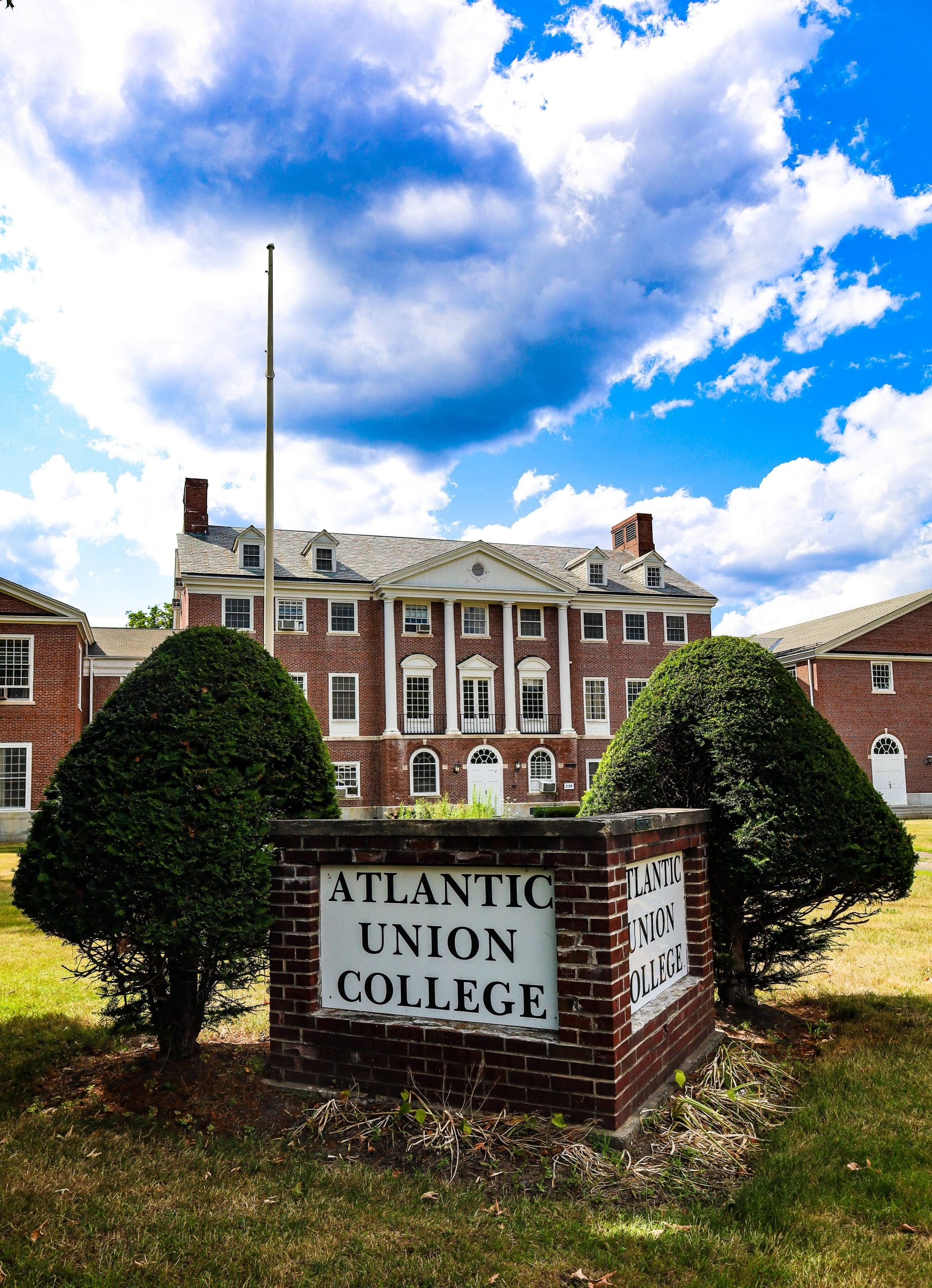
The abandoned Atlantic Union College (AUC) in South Lancaster, Massachusetts, stands as one of the most historically rich abandoned campuses in New England.

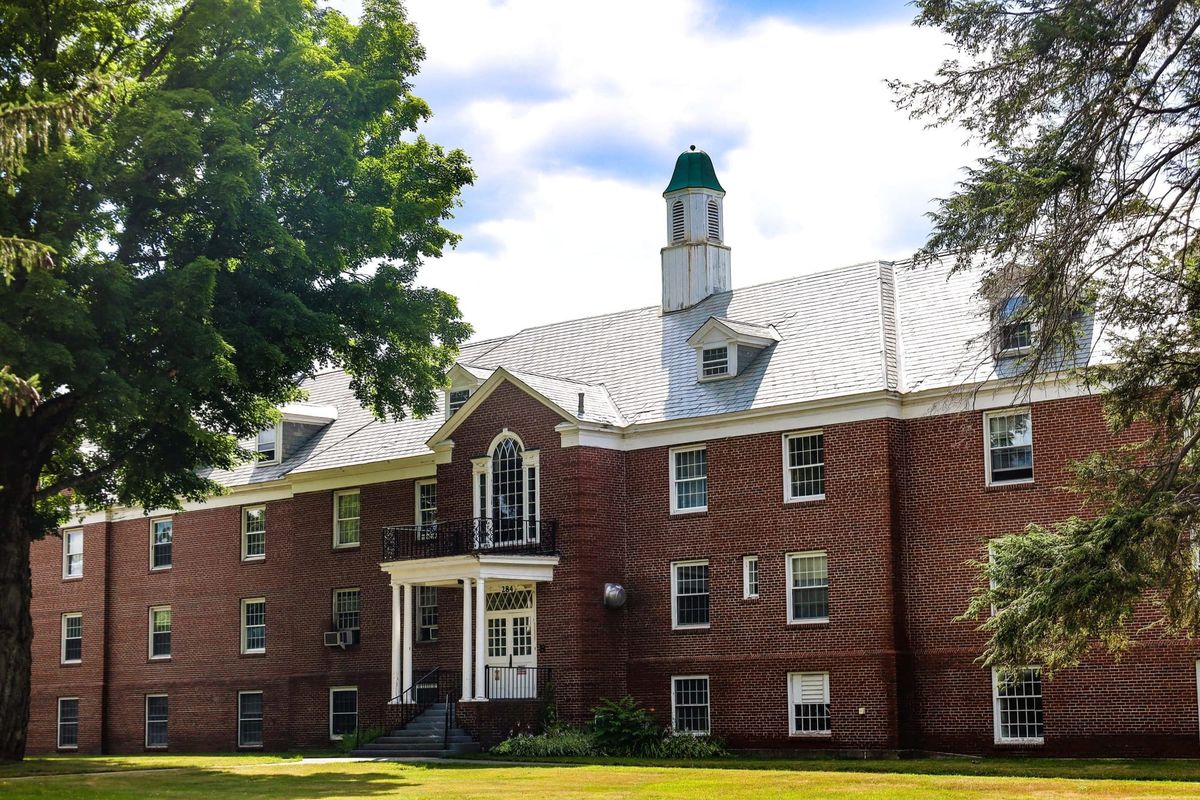
The abandoned Atlantic Union College (AUC) in South Lancaster, Massachusetts, stands as one of the most haunting and historically rich abandoned campuses in New England. Once a thriving liberal arts institution, the college was established in 1882 as a Seventh-day Adventist school and remained in operation for well over a century before financial hardship and accreditation issues ultimately led to its closure in 2018.
Today, the 135-acre campus — with its rows of ivy-covered dorms, empty lecture halls, and silent chapel — offers a fascinating glimpse into a vanished academic community that helped shape generations of students.
A Storied Beginning
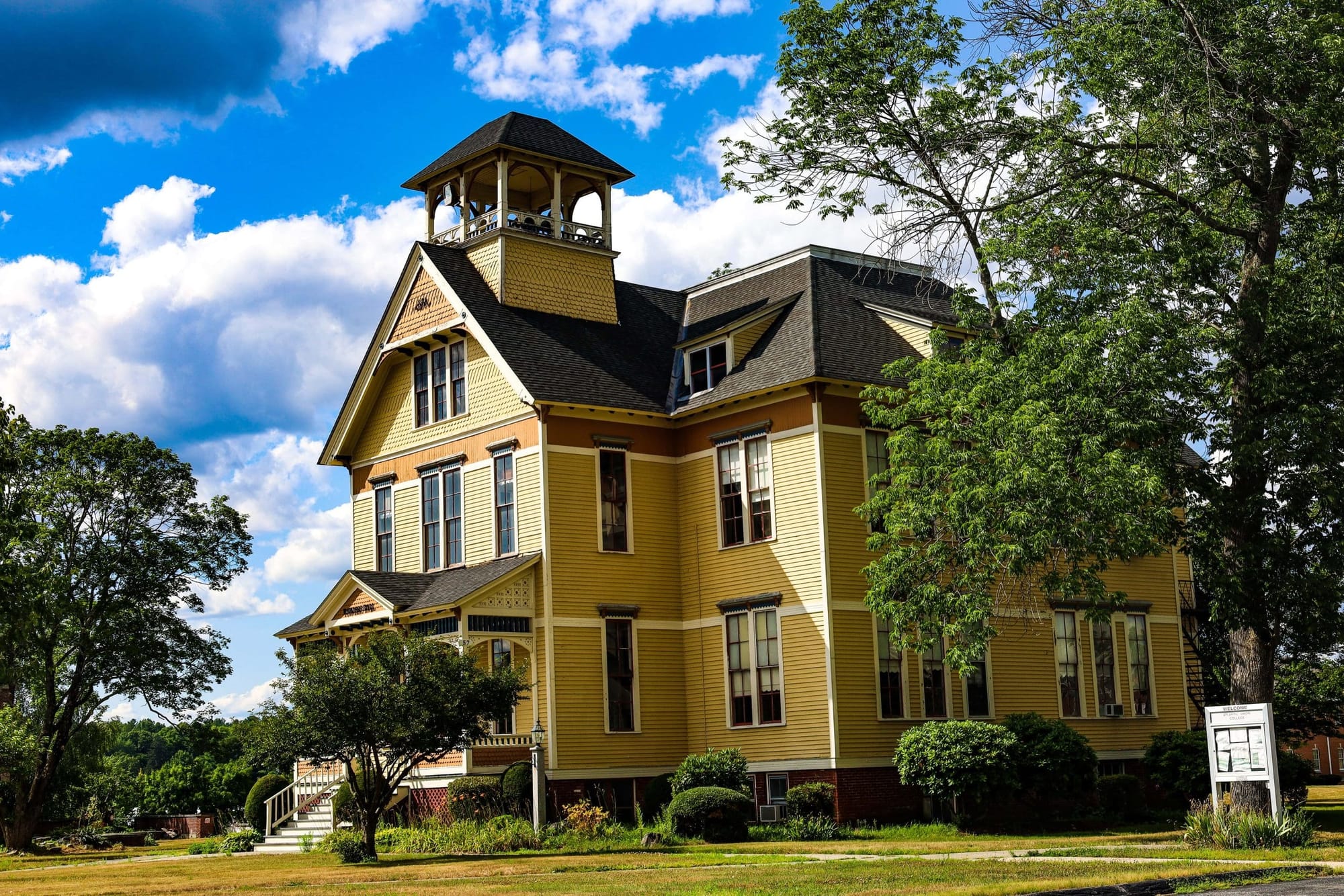
The roots of Atlantic Union College trace back to South Lancaster Academy, founded in 1882 by the Seventh-day Adventist Church. It was one of the earliest Adventist educational institutions in the United States, created to provide a Christian education in both academic and spiritual disciplines.
Over the decades, the school evolved from a small academy into a fully accredited four-year liberal arts college, drawing students from across the country and around the world. By the mid-20th century, AUC had become the flagship institution for Adventist education in the northeastern United States.
At its peak in the 1930s through the 1970s, Atlantic Union College’s student population exceeded 700 students, and the school was known for its music, theology, and education programs.
Financial Struggles and Decline
Despite its historic success, trouble began to mount in the 1990s. Enrollment began to fall, and financial difficulties plagued the institution. By 1993, over 82% of students required financial aid, and loan default rates were alarmingly high. An auditor described the college as “basically bankrupt”, noting that it owed more than $3 million at the time.
Throughout the 2000s, administrators fought to keep the school alive through budget cuts, appeals, and restructuring. However, in 2008, the New England Association of Schools and Colleges placed AUC on probationary status for “failure to meet its Standard on Financial Resources.”
The final blow came on July 31, 2011, when the college officially lost its accreditation — a devastating setback that led to the suspension of most degree-granting programs.
Attempts at Revival
Even after accreditation was lost, the campus didn’t fall completely silent right away.
A few programs continued to operate, including the Thayer Performing Arts Center, which offered community music and theater instruction, and the Northeast Evangelism Training School, which launched a certificate program in 2013.
For a time, there was even cautious optimism about reopening AUC as a smaller, more specialized institution. Unfortunately, the financial burden and deferred maintenance costs proved overwhelming.
In 2018, Atlantic Union College officially closed its doors for good, ending over 135 years of continuous operation.
The Campus Today
Today, the Atlantic Union College campus is largely abandoned, with about 33 buildings spread across 135 acres of land. The once-bustling campus includes:
- 🏫 Academic buildings — classrooms and lecture halls still filled with old desks and chalkboards.
- 🛏 Dormitories — rows of empty rooms and peeling paint, some with furniture left behind.
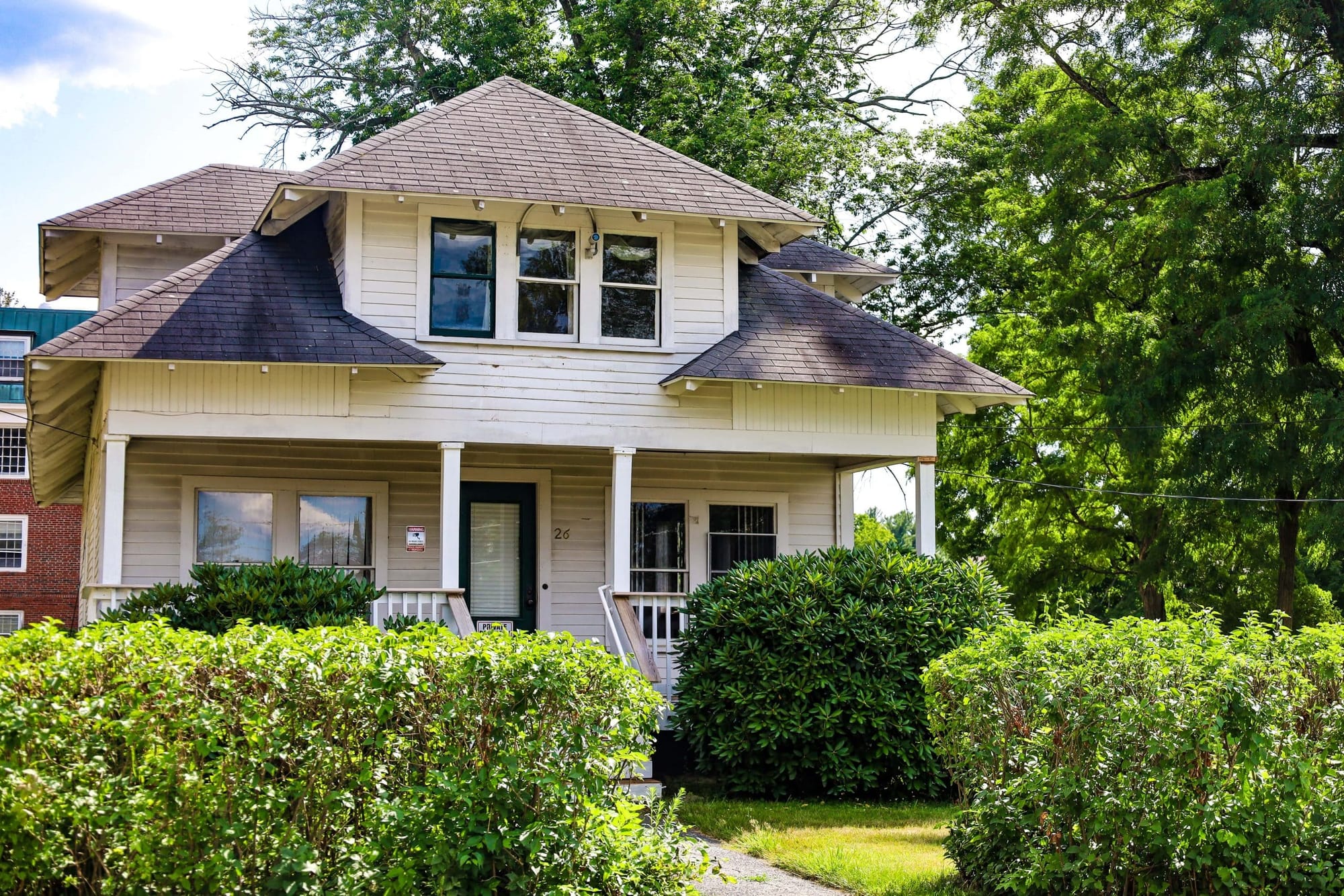
- 🏠 Faculty housing — small residential buildings that now sit quietly under the shade of maples and oaks.
- ⛪ Thayer Hall and the College Church — striking structures that remain the spiritual and architectural heart of the property.
- 🏀 Gymnasium and athletic facilities — still standing but slowly being reclaimed by the elements.
Nature has begun to reclaim much of the campus. Windows are shattered, vines creep up the red-brick exteriors, and the hum of student life has been replaced by the sound of rustling leaves and distant birdsong.
Several buildings have been sold or leased for private use, but most remain untouched, making the site one of the largest abandoned college campuses in New England.
Legacy and Preservation
The story of AUC is one of both devotion and decline — a testament to the ambitions of a faith-based educational movement and the challenges of sustaining small private colleges in modern times.
Local historians and alumni have called for parts of the campus to be preserved as a historic site, citing its architectural and cultural significance. As of 2024, the property remains in limbo — a mix of decaying dorms and active buildings, awaiting its next chapter.
For urban explorers, photographers, and history enthusiasts, the campus offers a hauntingly beautiful portrait of institutional decay, where the echoes of chapel music and classroom debates seem to linger in the air.
Visiting the Site
- 📍 Address: 338 Main Street, Lancaster, Massachusetts
- 🌐 GPS Coordinates: 42.444833, -71.685870
- 🅿️ Parking: Free parking is available at Dexter Drumlin Reservation or along Main Street. Street access provides clear views of the old campus buildings.
- ⚠️ Note: While parts of the campus can be seen from public roads and sidewalks, many of the buildings are on private property. Trespassing is not allowed, and visitors should observe respectfully from public access points.
Quick Facts
- 🏛 Founded: 1882 (as South Lancaster Academy)
- 🎓 Peak Enrollment: ~700 students
- 💵 Lost Accreditation: 2011
- 🏫 Officially Closed: 2018
- 🌳 Campus Size: 135 acres
- 🧱 Number of Buildings: 33
- 🕍 Religious Affiliation: Seventh-day Adventist
- 🧭 Status Today: Mostly abandoned, some parcels sold
Final Thoughts
The abandoned Atlantic Union College is both haunting and historically significant — a campus once alive with faith, education, and purpose that now sits silent beneath the Massachusetts sky.
From its founding in the 19th century to its collapse in the 21st, AUC’s story mirrors the challenges faced by many small liberal arts colleges across America. For those who visit or simply pass by, the red-brick ruins of South Lancaster stand as a solemn reminder of New England’s long and complex educational legacy — and a testament to the enduring marks institutions leave behind, even after their doors have closed forever.