Bancroft’s Castle (Groton, MA)
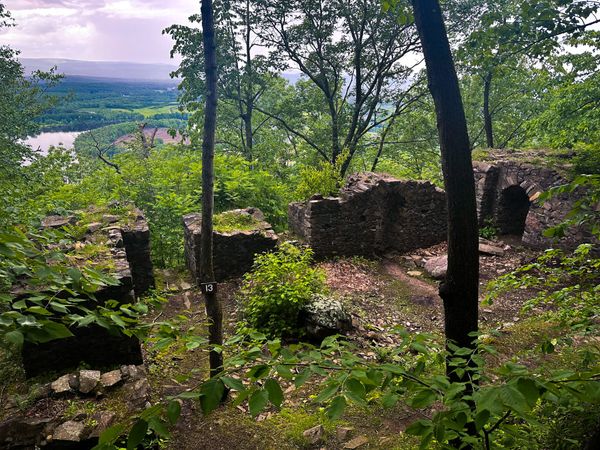
Perched atop Gibbet Hill in Groton, Massachusetts, the haunting stone ruins of Bancroft’s Castle have become an abandoned landmark.

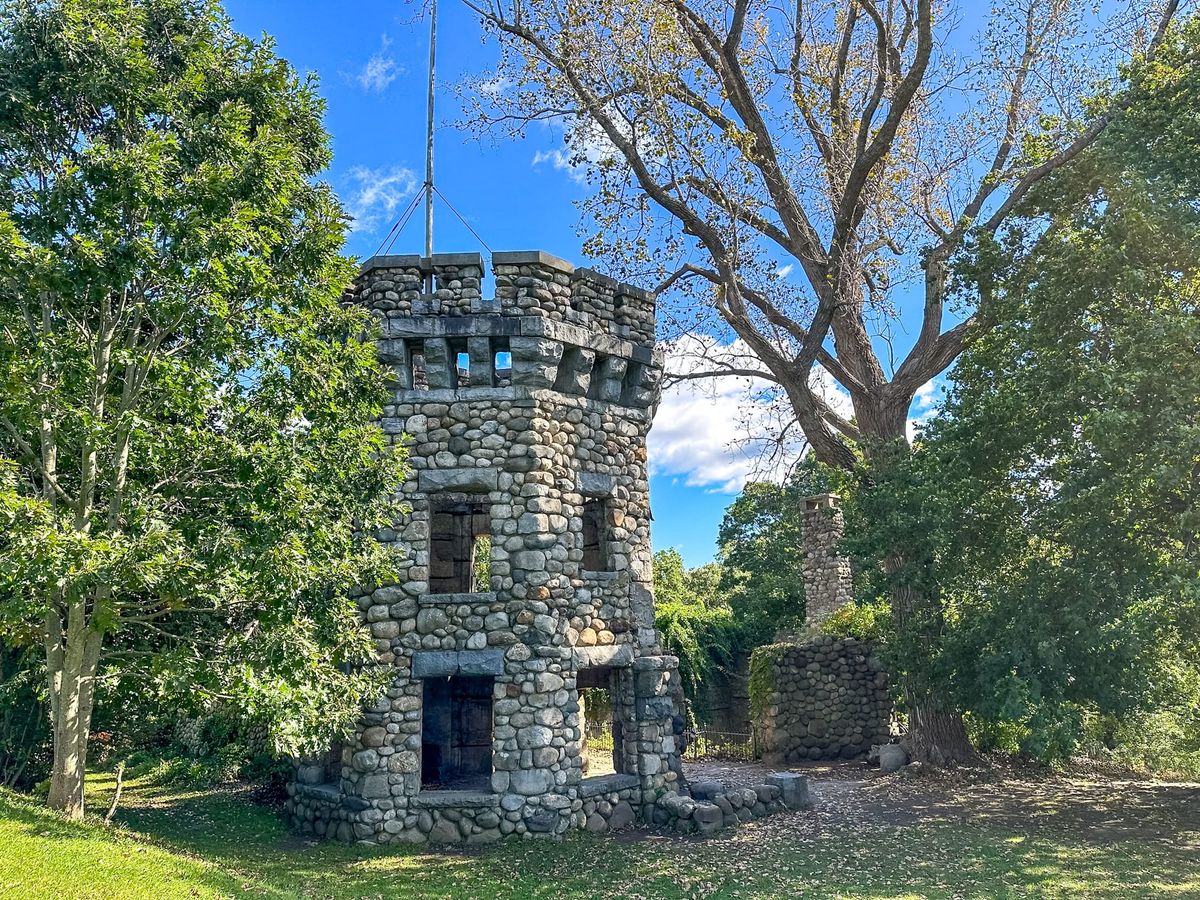
Perched atop Gibbet Hill in Groton, Massachusetts, the haunting stone ruins of Bancroft’s Castle are among the most fascinating and photogenic abandoned landmarks in all of New England. This crumbling yet majestic structure has watched over the Nashua River Valley for more than a century — its story a mix of ambition, reinvention, and tragedy.
A Dream Built in Stone
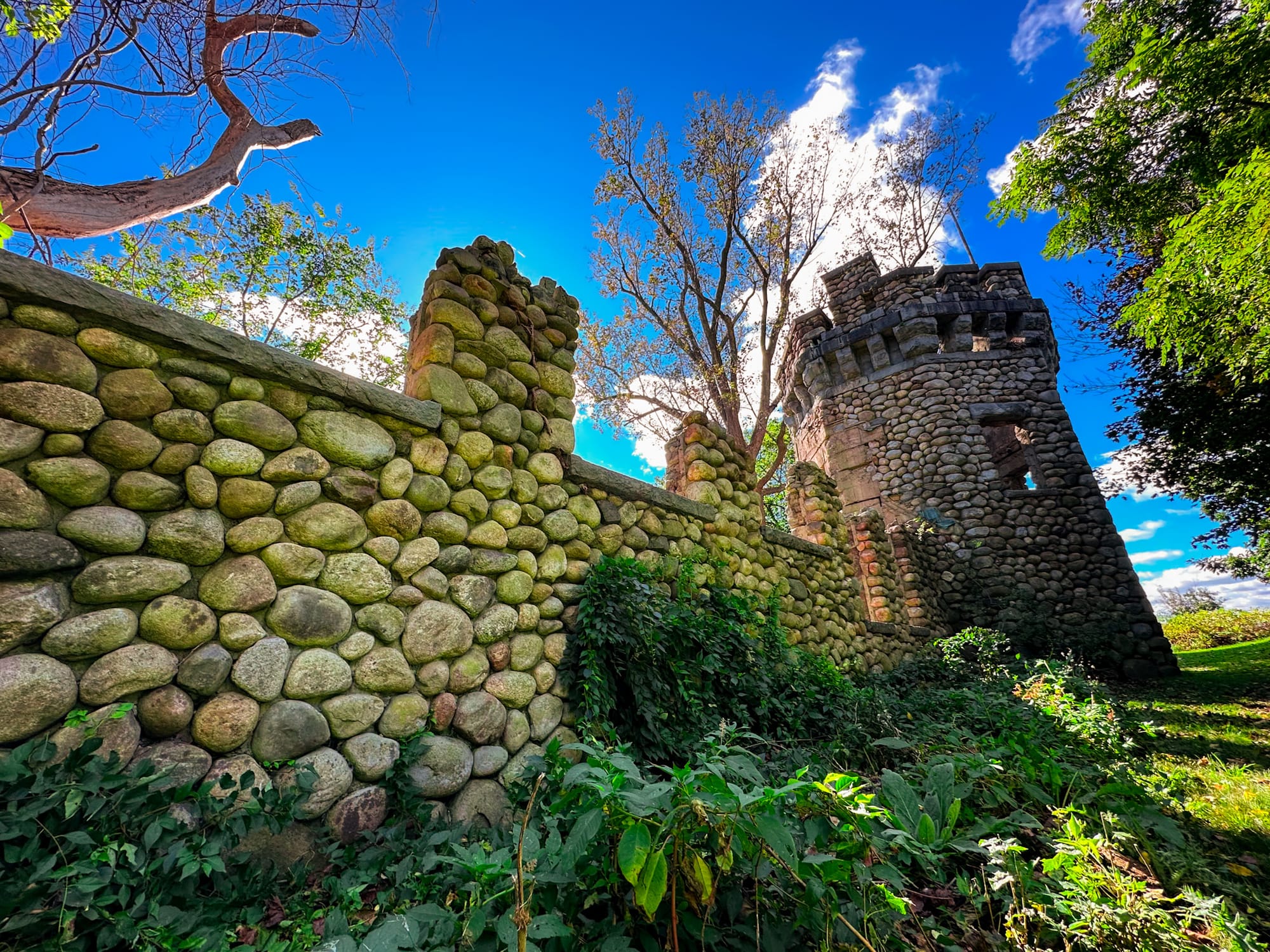
In 1906, General William Bancroft — a decorated soldier, politician, and successful businessman — set out to build an opulent retirement estate overlooking his hometown of Groton. He envisioned a grand castle-like mansion that would crown the summit of Gibbet Hill, with sweeping views of the countryside.
He even had a name chosen for the property: “Shawfieldmont.”
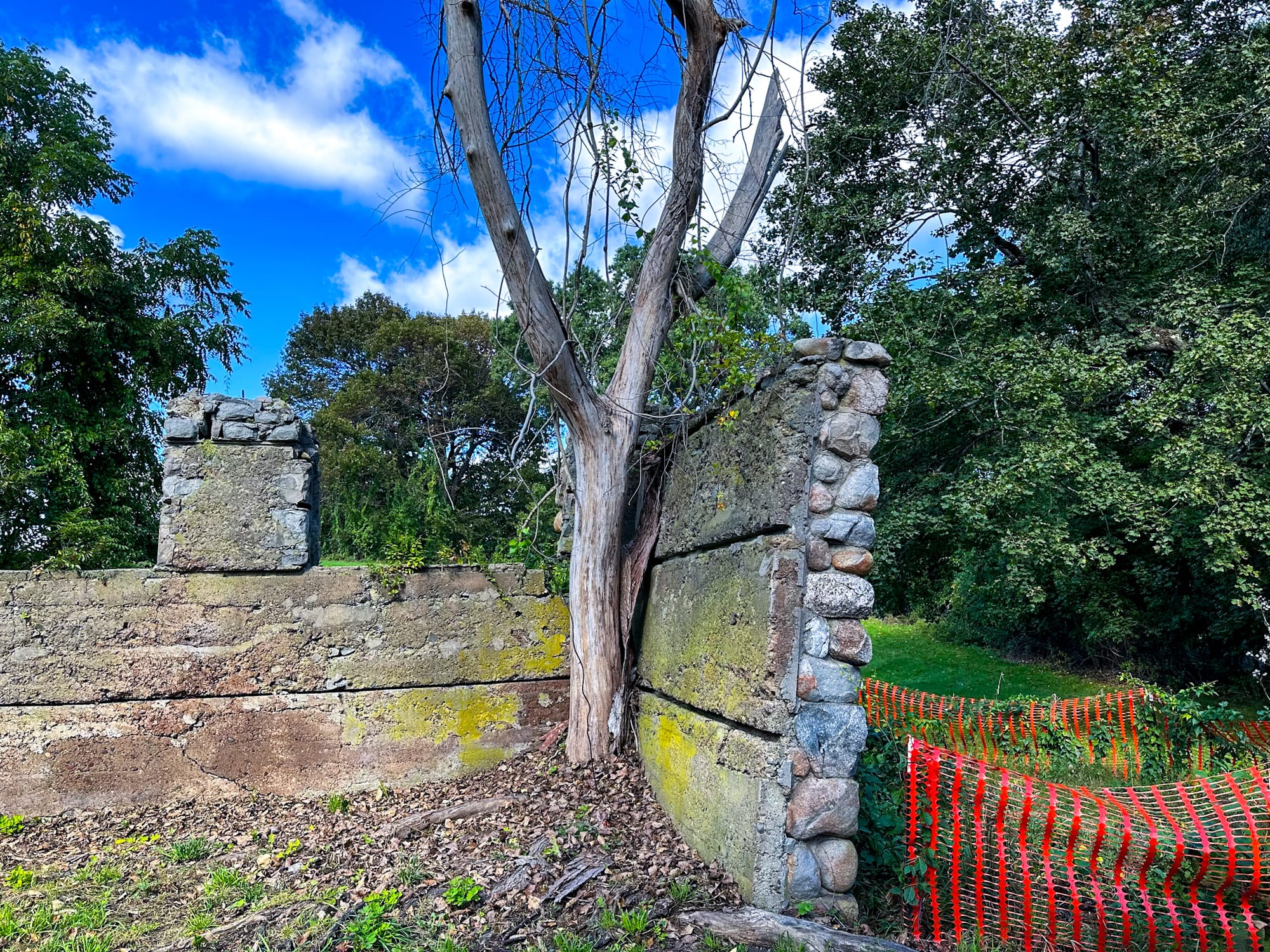
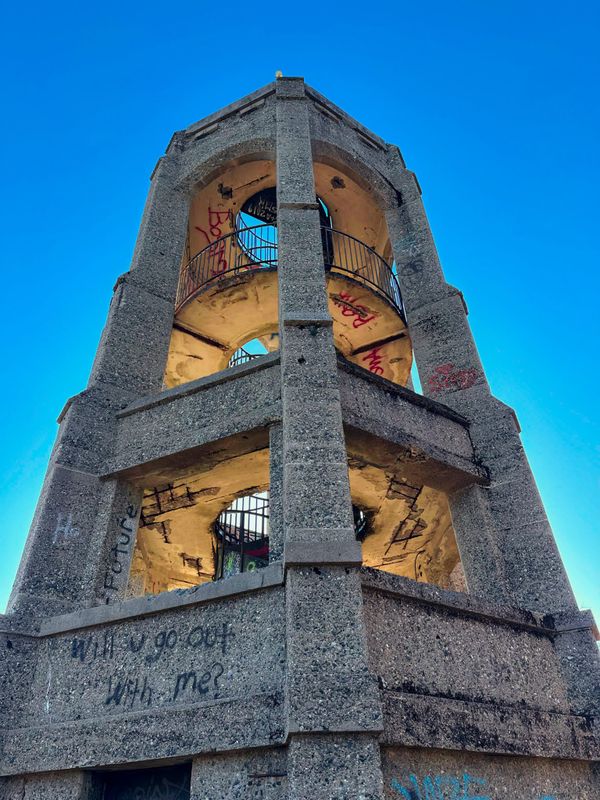
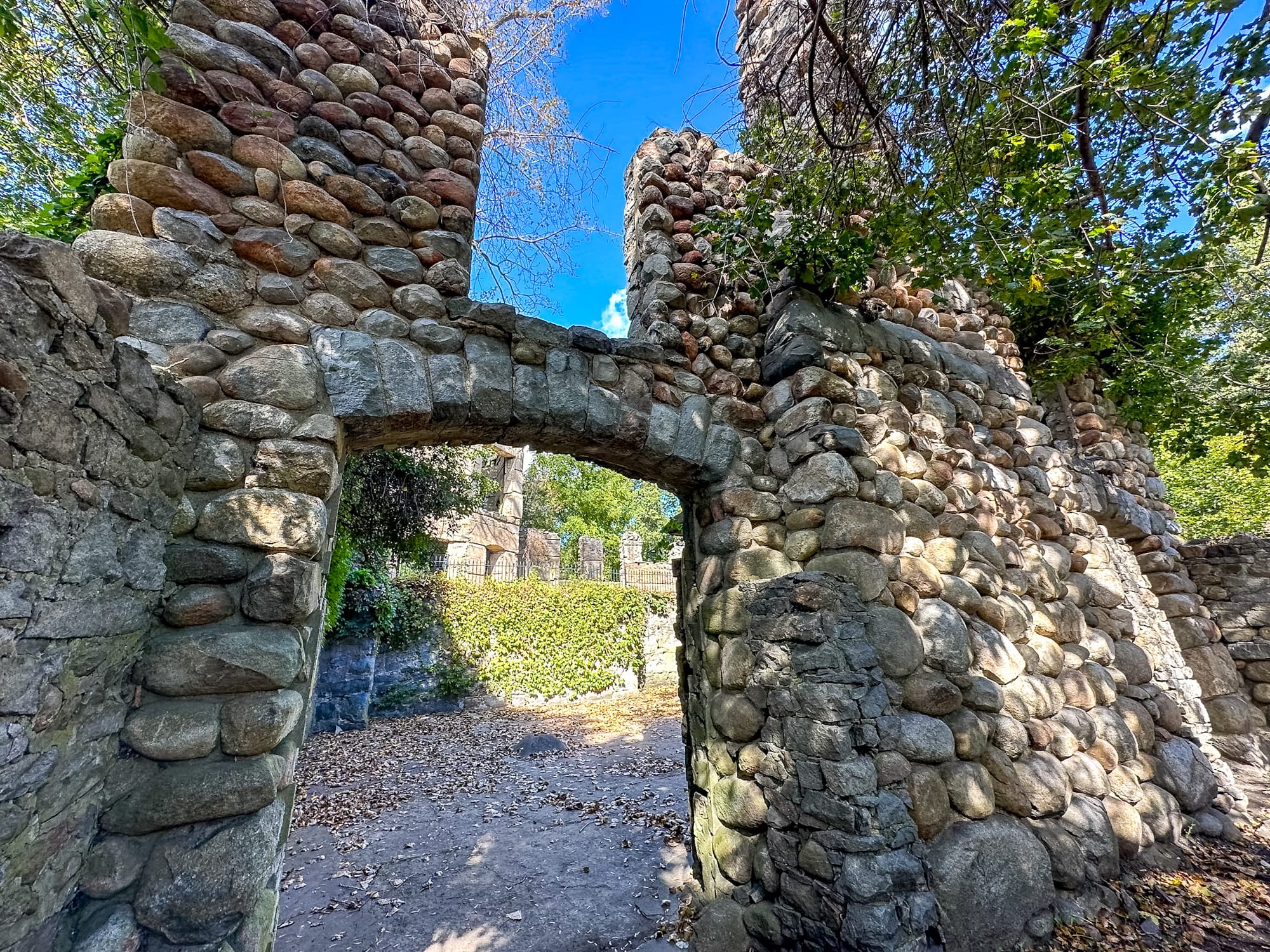
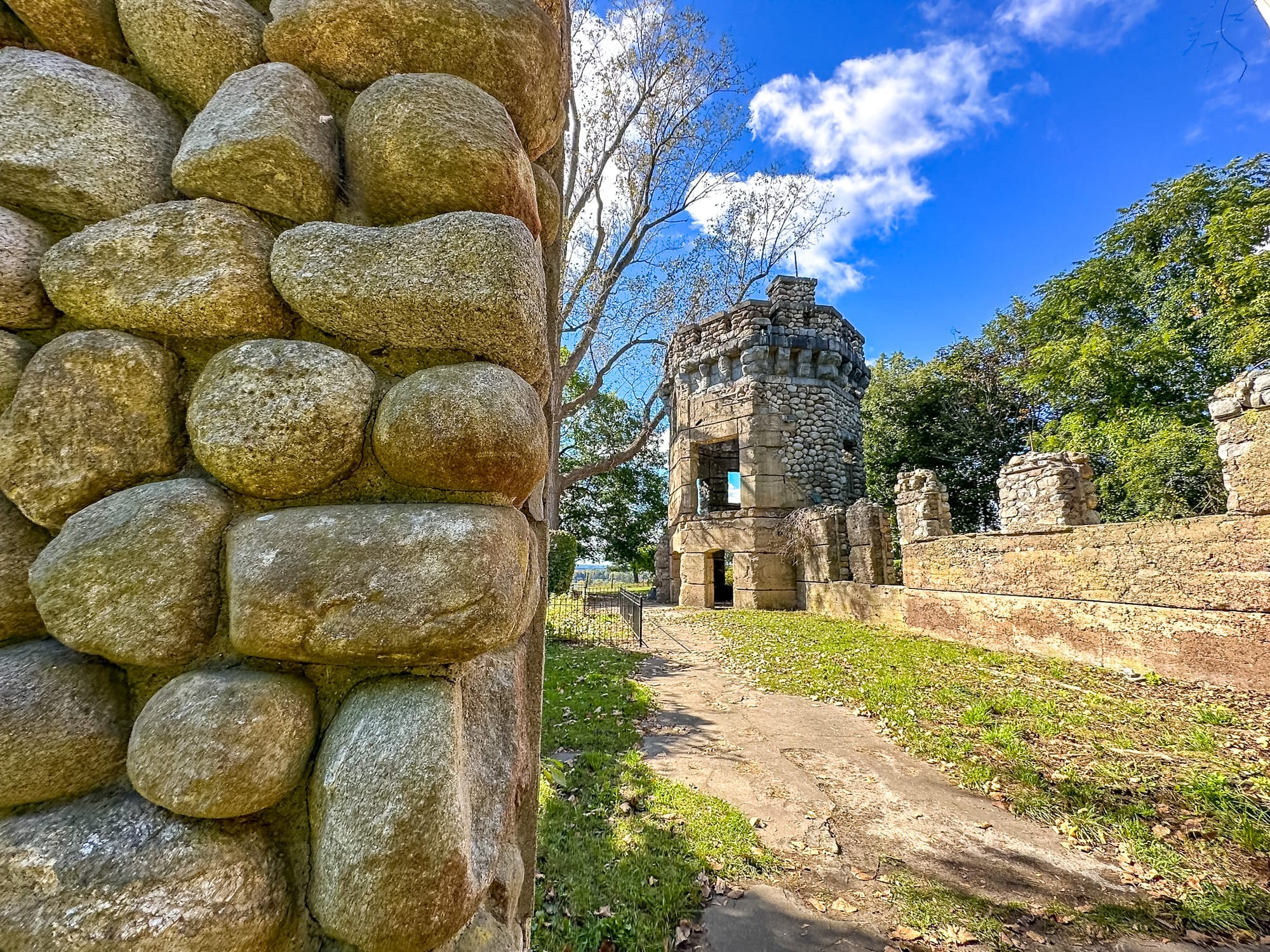
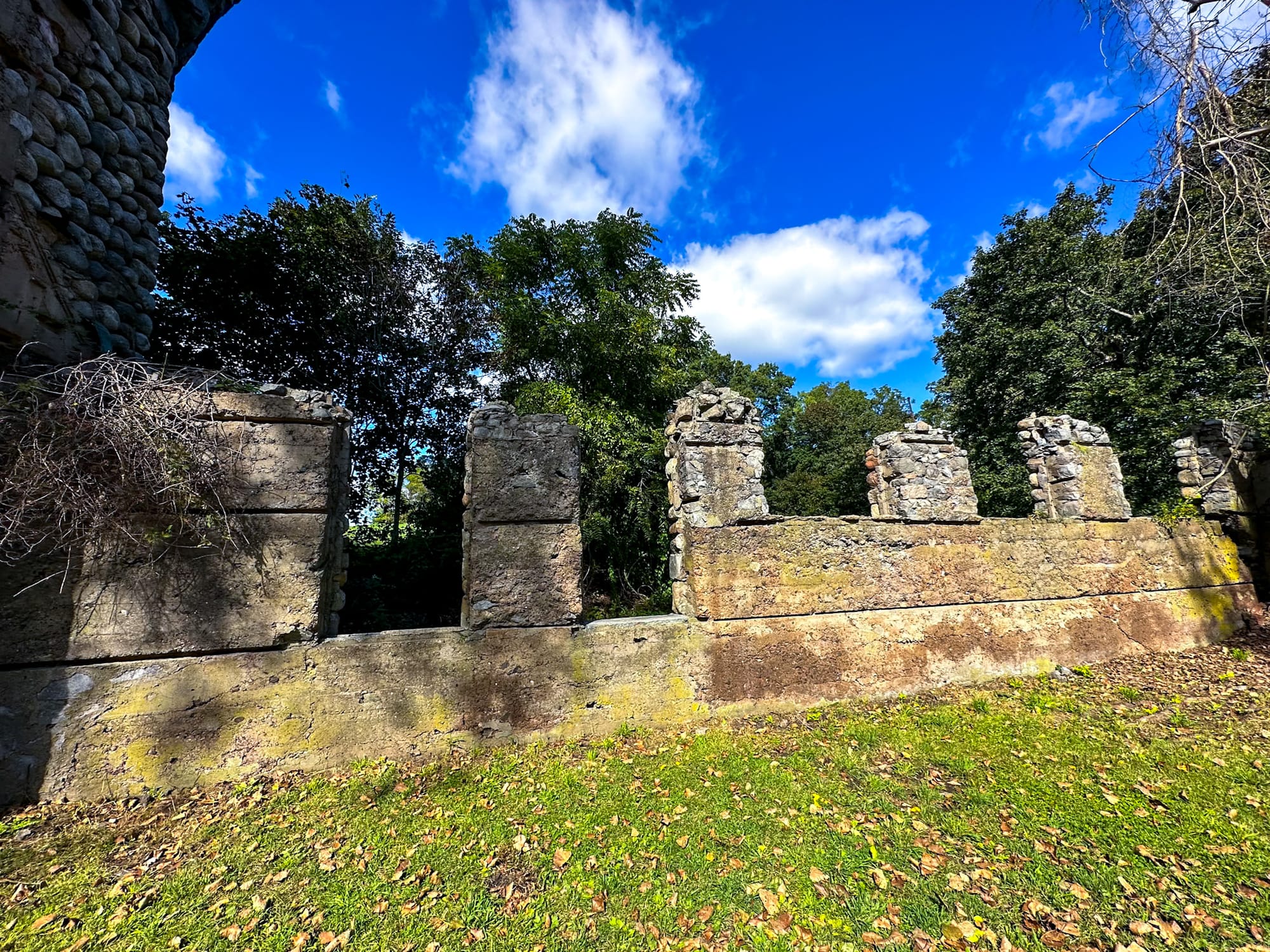
Unfortunately, Bancroft’s dream was short-lived. Funds ran out before the main residence could be completed, and only a stone bungalow and tower were ever built. The partial structure, though just a fragment of the original plan, still carried the unmistakable air of a medieval stronghold — its rugged fieldstone walls rising dramatically against the rolling Massachusetts hills.
After 12 years of ownership and stalled construction, Bancroft sold the unfinished property in 1918 to Dr. Harold Ayers, a local physician who envisioned a very different future for the site.
From Castle to Sanatorium
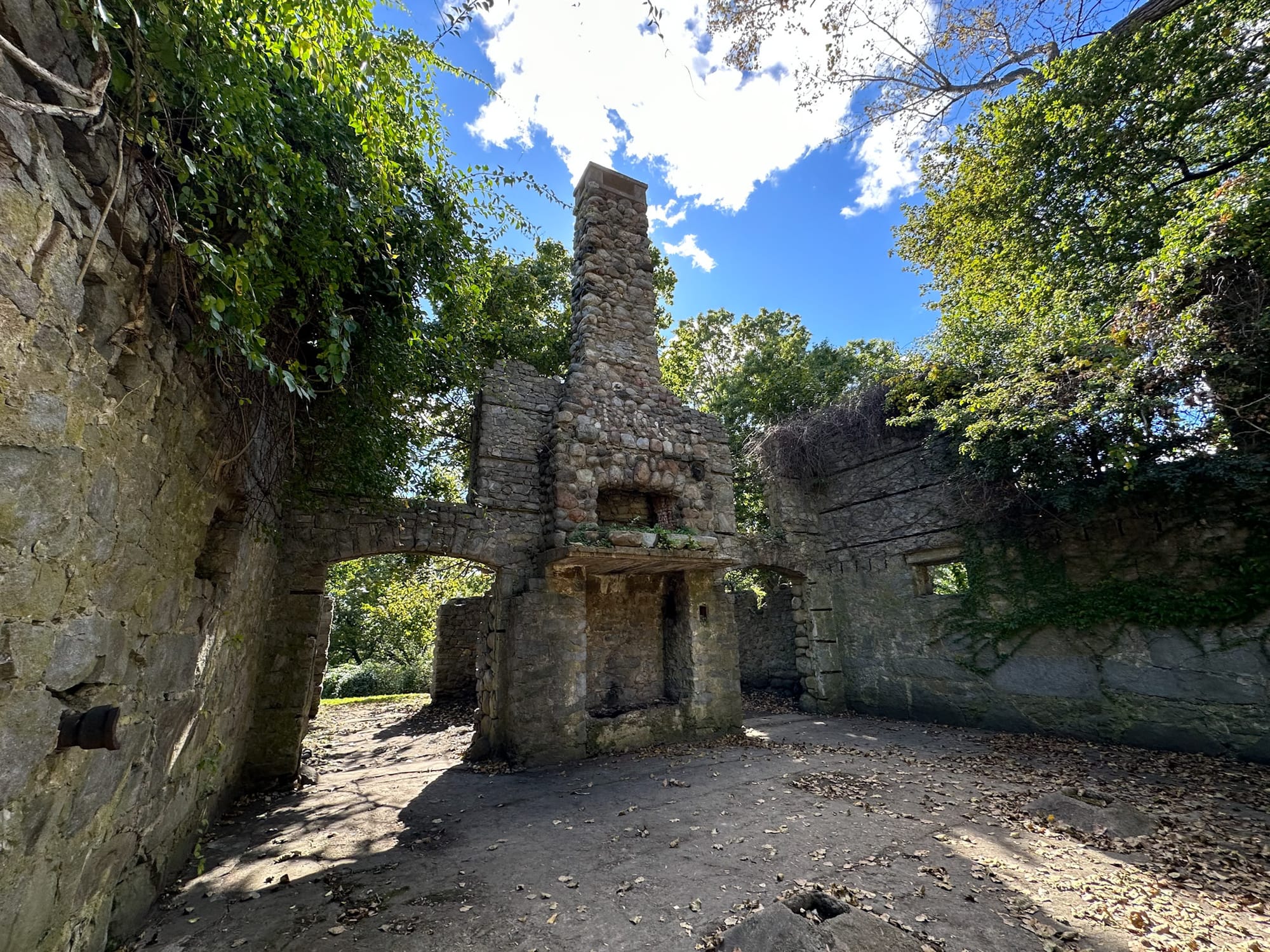
Dr. Ayers converted the stone bungalow into a sanatorium, known as the Groton Private Hospital. Through the 1920s, the facility offered fresh air, sunlight, and medical care to patients suffering from respiratory illnesses — particularly tuberculosis, which was widespread at the time.
Those who could afford to pay $20 per week came to the sanatorium seeking recovery amid the scenic and breezy heights of Gibbet Hill. Like many similar facilities of the era, the hospital promoted the restorative power of clean country air and outdoor rest.
But by the late 1920s, the sanatorium closed, and the property entered a new — and very different — chapter.
A Gilded Age Social Club
After the hospital’s closure, Bancroft’s Castle became a lively social venue. The Groton Hunt Club, a local organization that hosted fox hunts and elegant gatherings, transformed the old sanatorium into a rustic clubhouse.
For a few years, the building echoed with laughter, music, and the sounds of weekend parties and dances. The views from the terrace made it a favorite local spot, particularly during summer celebrations.
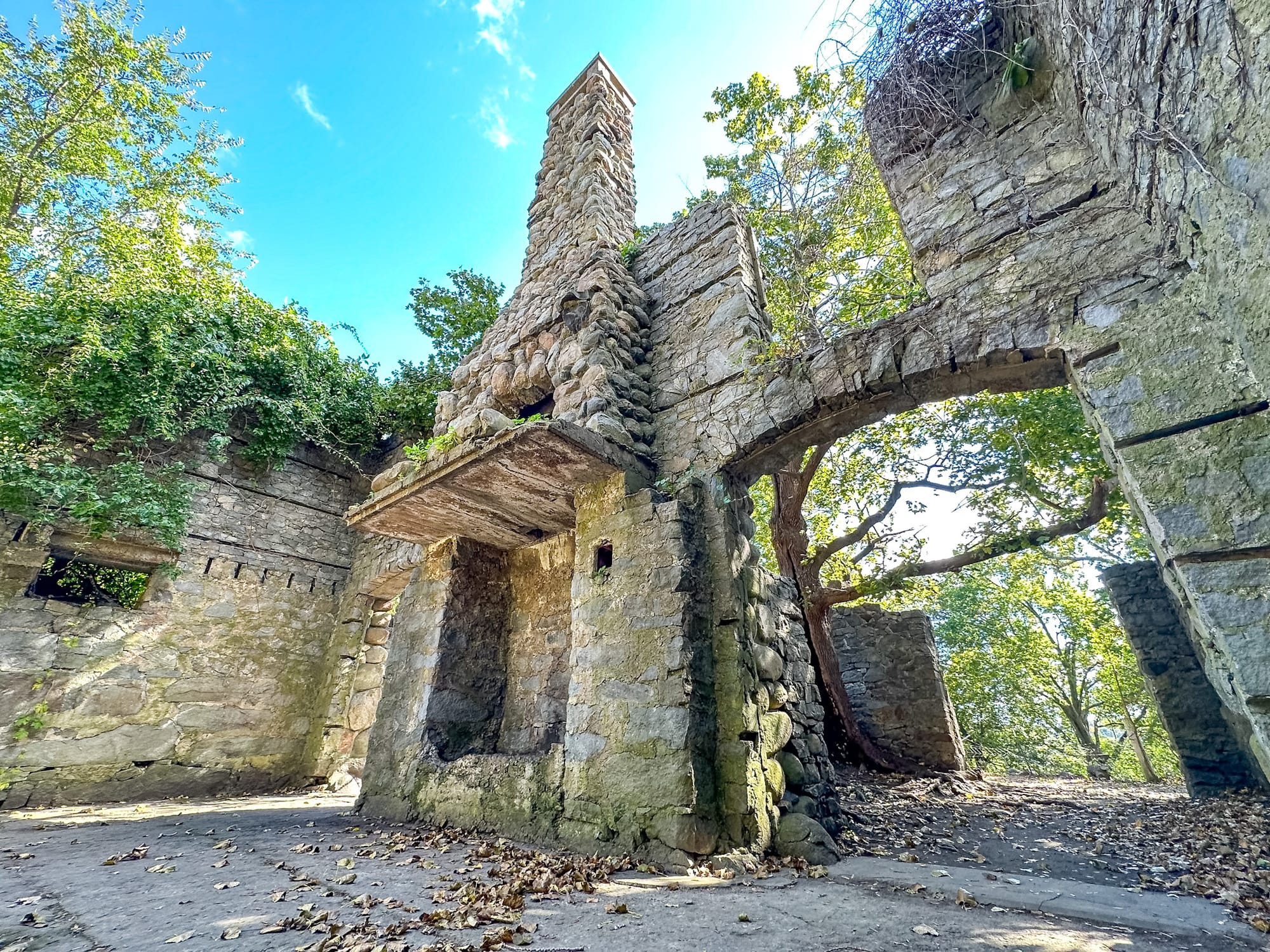
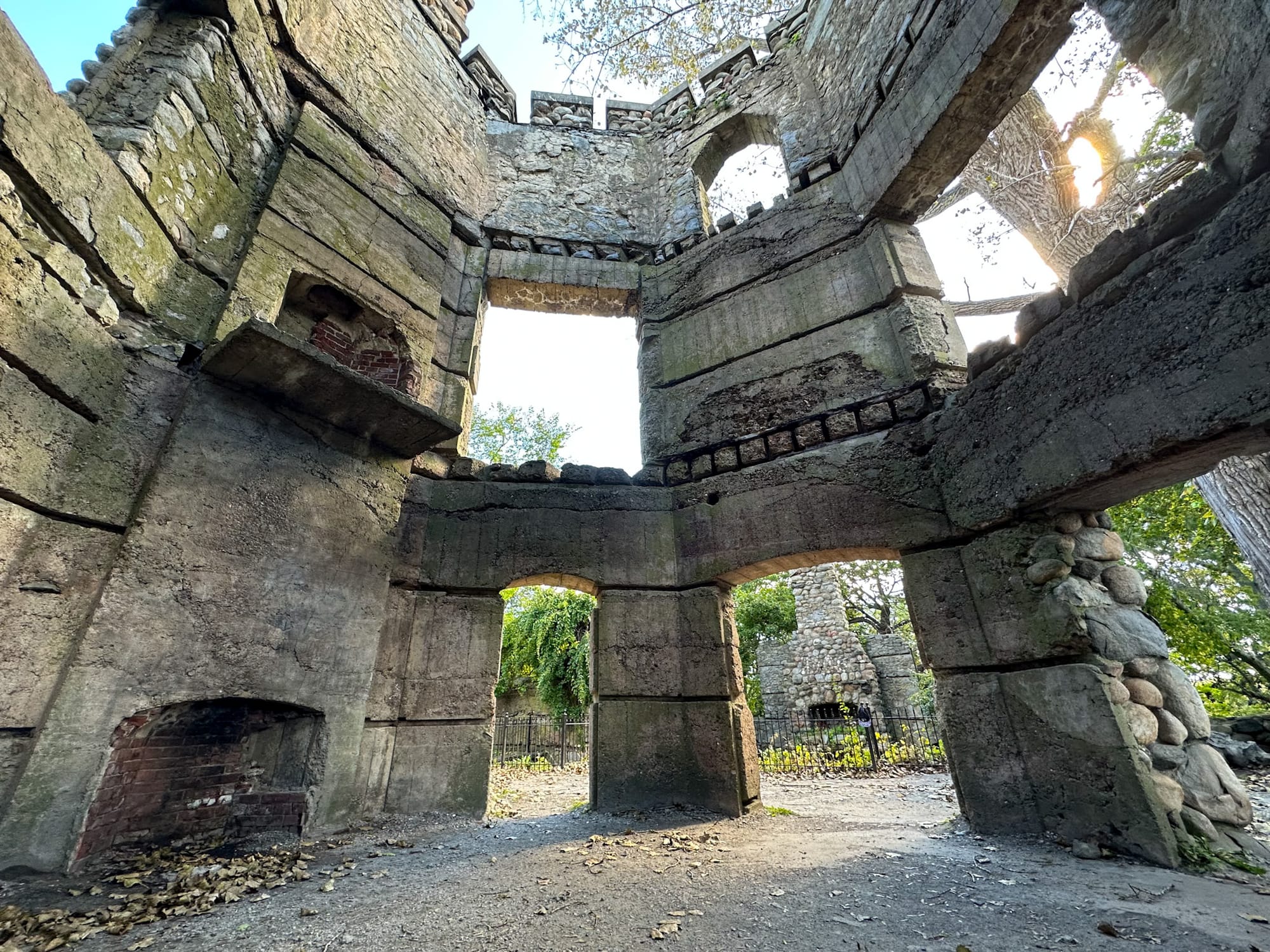
That golden era came to a sudden and fiery end on July 4, 1932, when a fireworks accident ignited the structure during a holiday celebration. The blaze destroyed most of the interior, leaving behind only the stone exterior walls that still stand today.
Ruins and Legends on Gibbet Hill
The skeletal remains of Bancroft’s Castle have endured the decades, their weathered stone walls now blanketed in ivy and moss. In 2000, the property was officially incorporated into Groton’s protected open space, ensuring public access for generations to come.
Today, hikers can follow the Gibbet Hill Trail to the summit and explore the castle ruins firsthand. The site offers some of the best panoramic views in Middlesex County, making it a favorite destination for photographers, couples, and local history enthusiasts.
Like many old ruins in New England, Bancroft’s Castle is also wrapped in ghost stories and folklore. Local legends claim that Gibbet Hill was once used for executions in the 1600s — a name derived from the word “gibbet,” meaning gallows. Visitors have reported eerie sightings of shadowy figures in colonial attire, phantom soldiers, and even spectral limbs drifting across the hillside at night.
Whether you believe in ghosts or not, there’s no denying that the castle’s atmosphere — especially at dusk — carries a mysterious, almost cinematic energy.
Visiting Bancroft’s Castle
- 📍 Address: Lowell Road (Route 40), Groton, Massachusetts
- 🌐 GPS Coordinates: 42.617833, -71.580250
- 🅿️ Parking: Free parking is available in the lot at Gibbet Hill Grill or along Lowell Road near the trailhead.
- 🥾 Trail Info: The Gibbet Hill Trail is an easy-to-moderate hike (0.5 miles one way) leading to the castle ruins. Expect a short but steady incline.
- 🕒 Hours: Open daily from sunrise to sunset.
- 🐾 Dogs: Allowed on leash.
- ⚠️ Tips: The castle walls are unstable — climbing is prohibited. Visit at sunset for incredible views over the Nashua River Valley.
Quick Facts
- 🏰 Built: 1906
- 👤 Builder: General William Bancroft
- 🩺 Later Use: Groton Private Hospital (sanatorium)
- 🔥 Fire: July 4, 1932
- 🌄 Current Status: Protected open space (since 2000)
- 📜 Alternate Name: “Shawfieldmont”
- 👻 Legends: Colonial-era ghosts and executions on Gibbet Hill
Final Thoughts
Few abandoned sites in New England combine history, tragedy, and natural beauty quite like Bancroft’s Castle. From its origins as a dream retirement estate to its time as a sanatorium and later as a social club, the site’s layered history gives it an almost mythical character.
Today, the stone ruins stand as both a testament to ambition and a symbol of endurance — watching silently over Groton as the seasons change. Whether you come for the views, the photography, or the ghost stories, Bancroft’s Castle remains one of Massachusetts’ most captivating hidden gems.