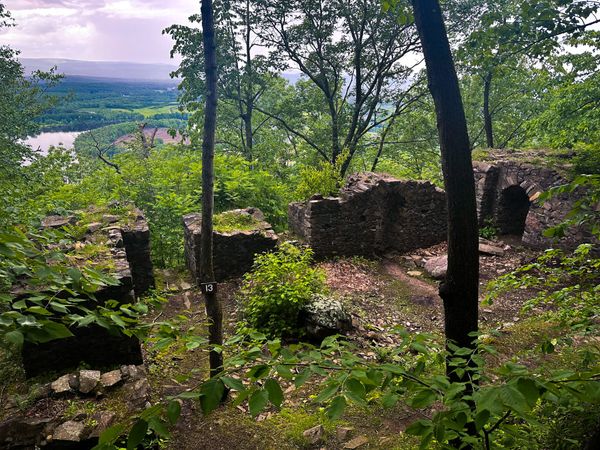
Belchertown State School for the Feeble-Minded (Belchertown, MA)
When it comes to the most haunted abandoned places in Massachusetts, few sites carry as much weight as the Belchertown State School for the Feeble-Minded.

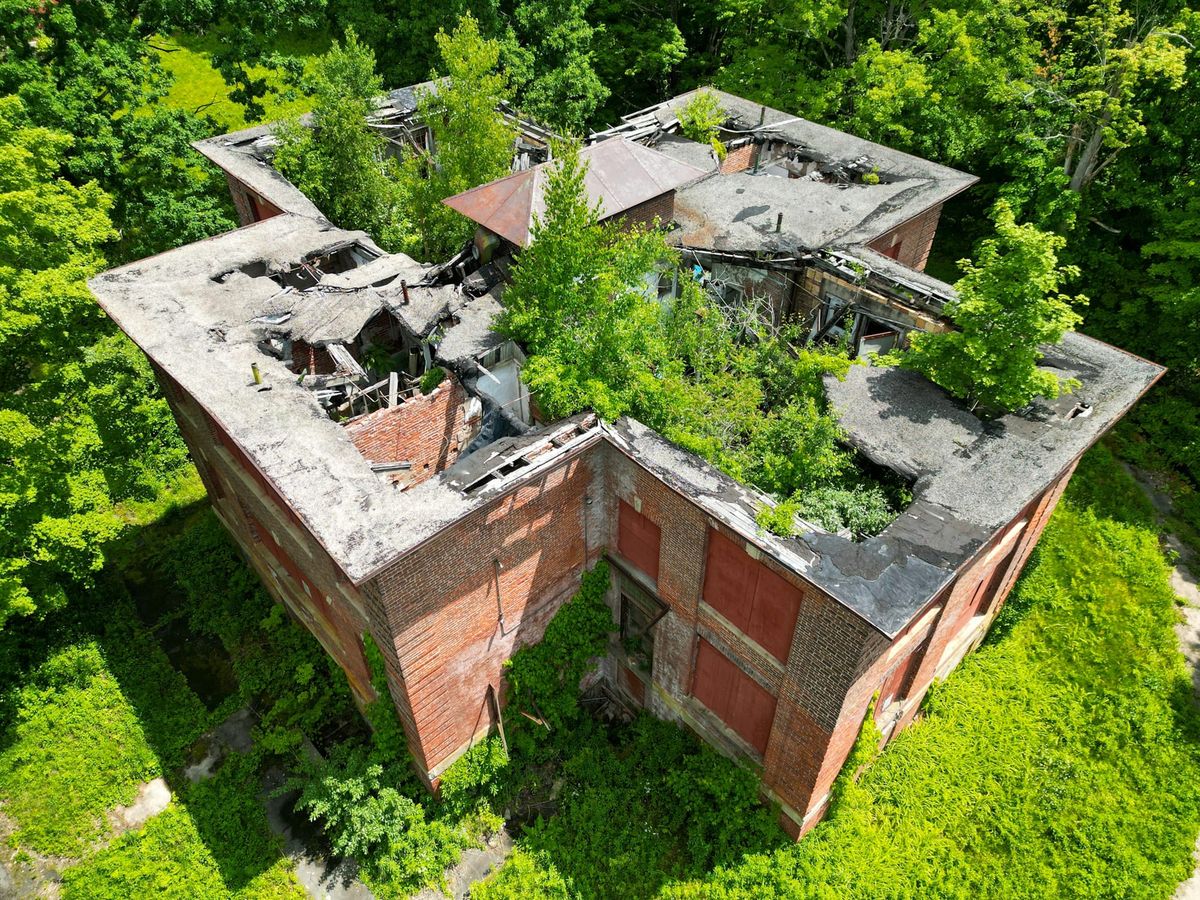
When it comes to the most haunted and infamous abandoned places in Massachusetts, few sites carry as much weight and sorrow as the Belchertown State School for the Feeble-Minded. Established in 1922 and shuttered in 1992, this once-sprawling institution witnessed seven decades of tragedy, neglect, and eventual reform.
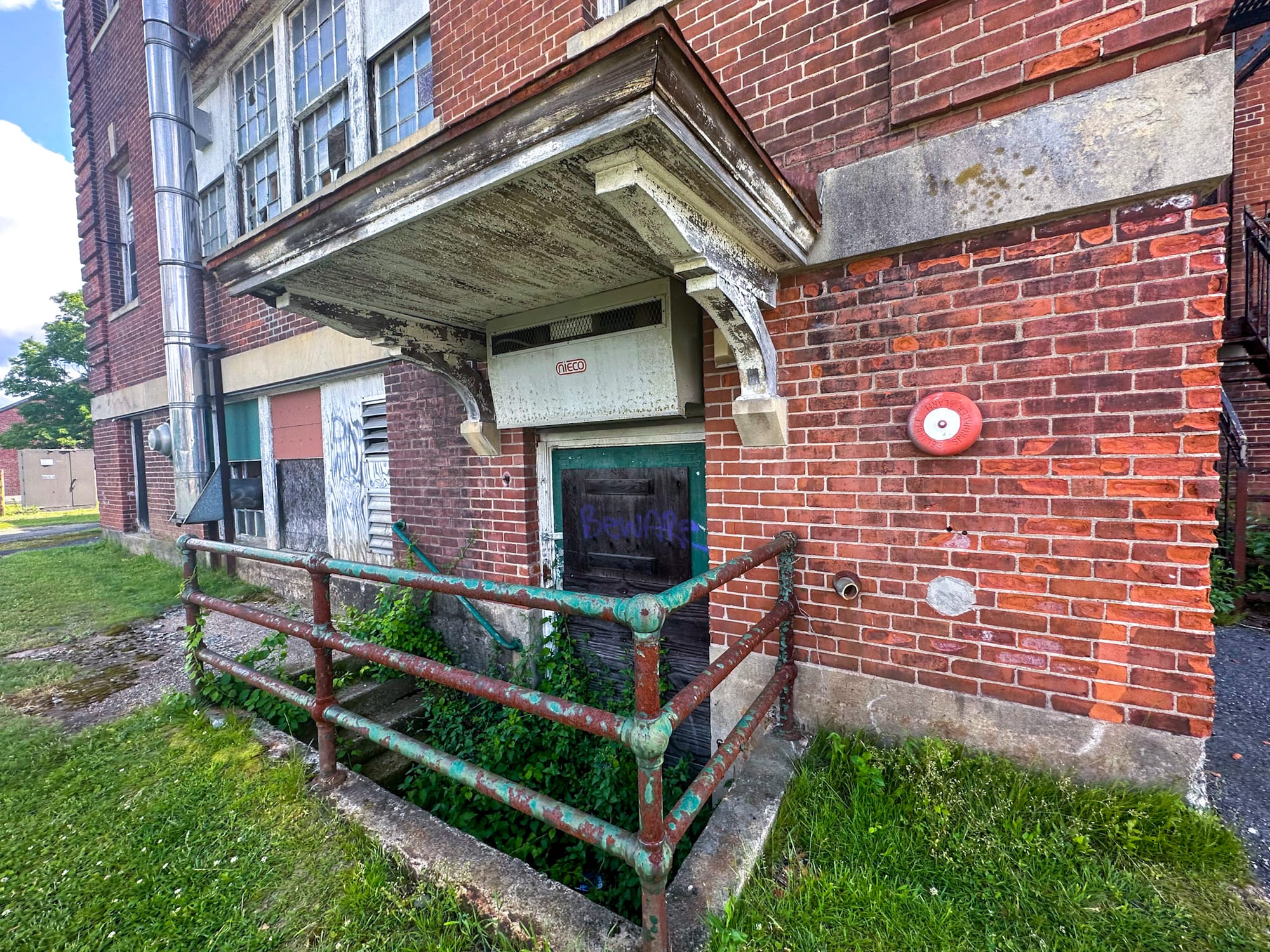
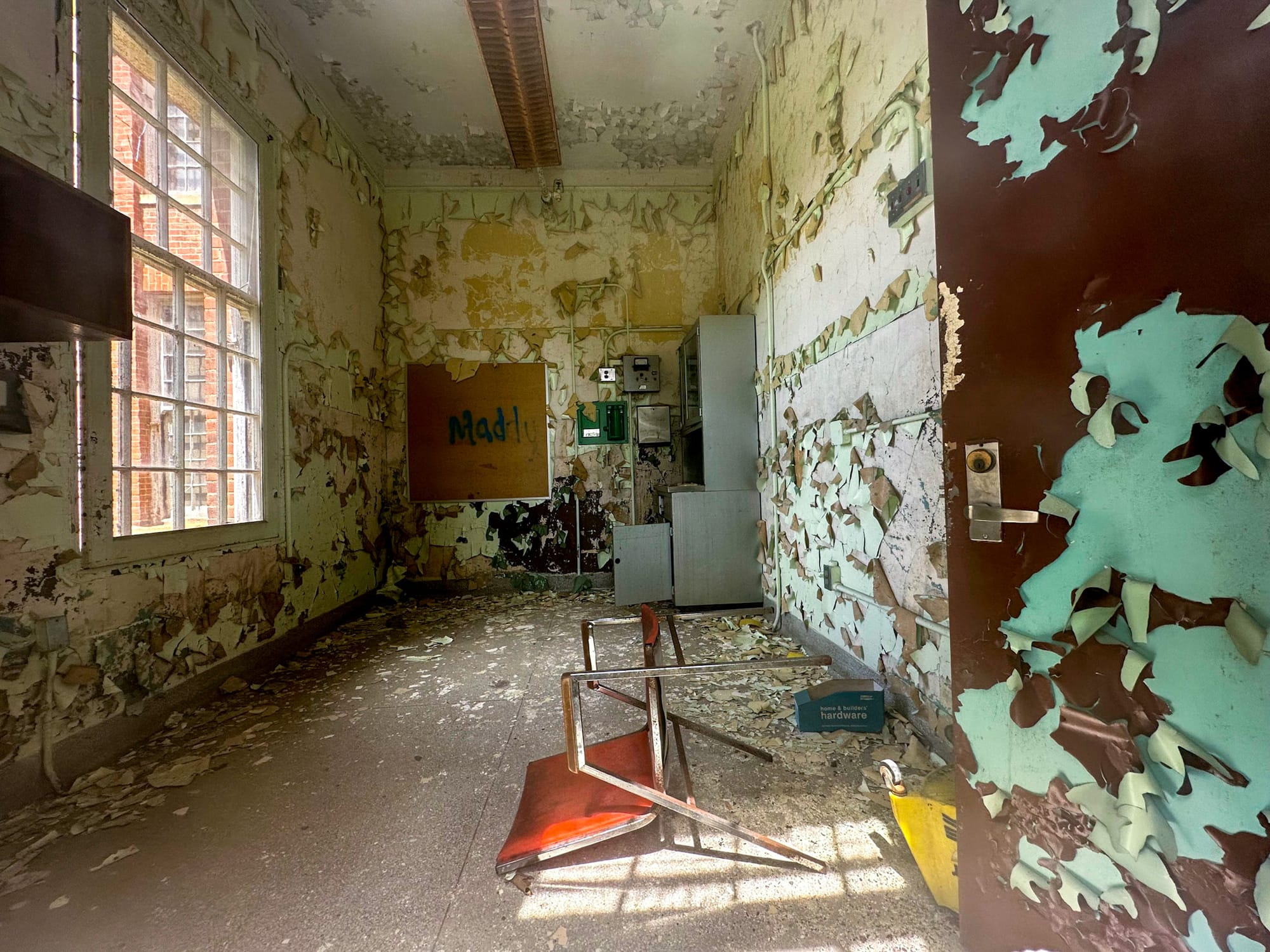
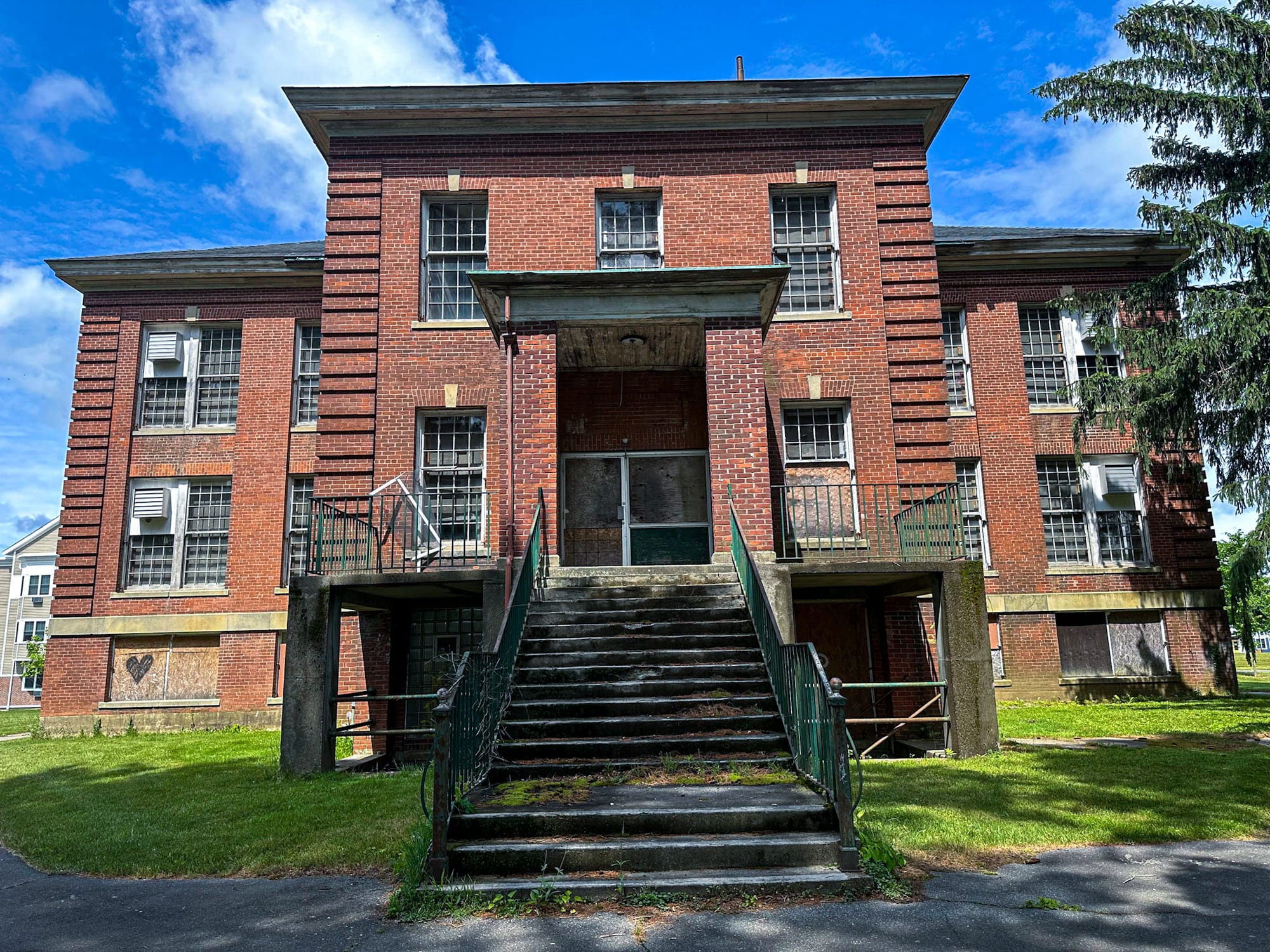
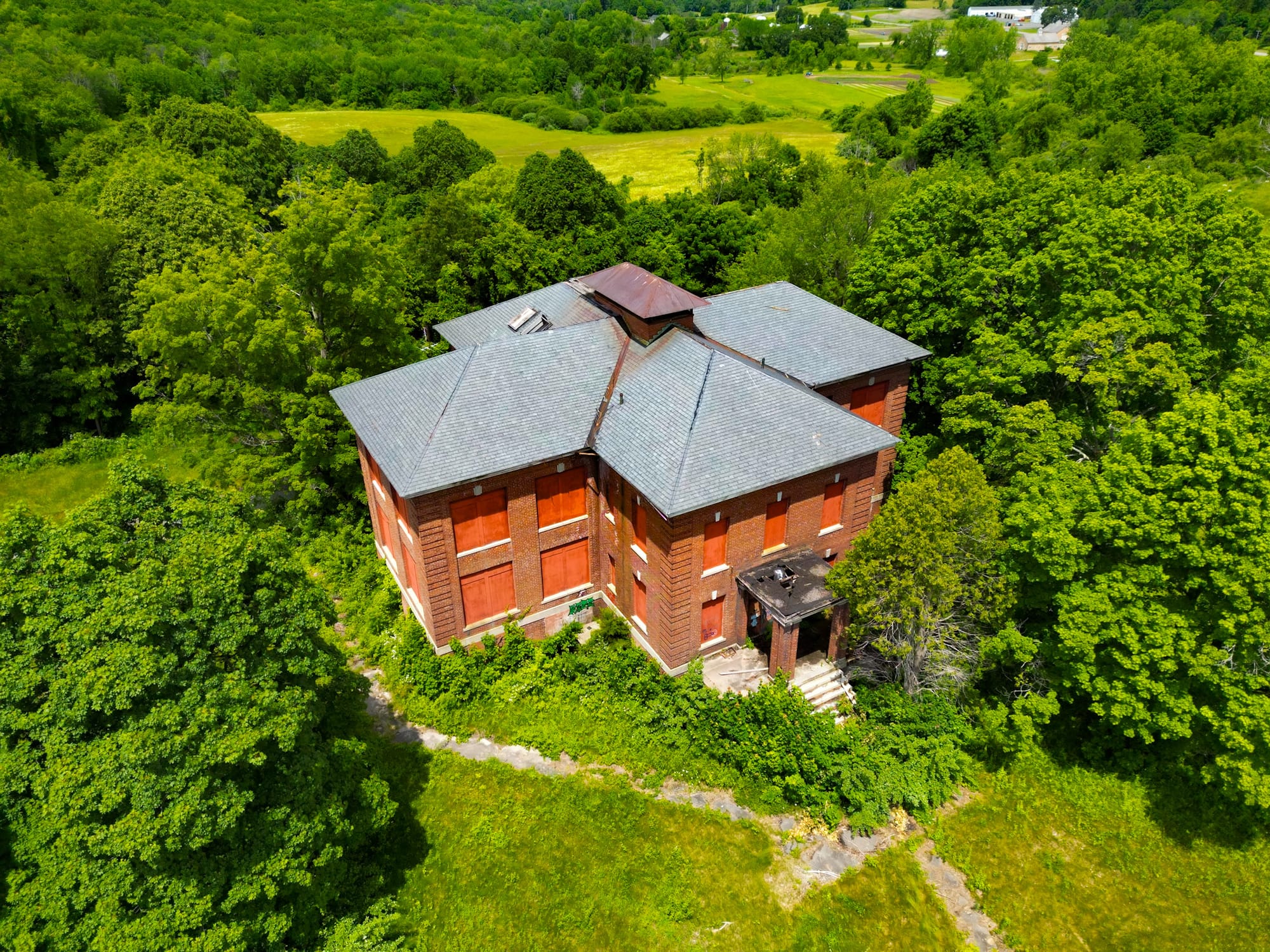
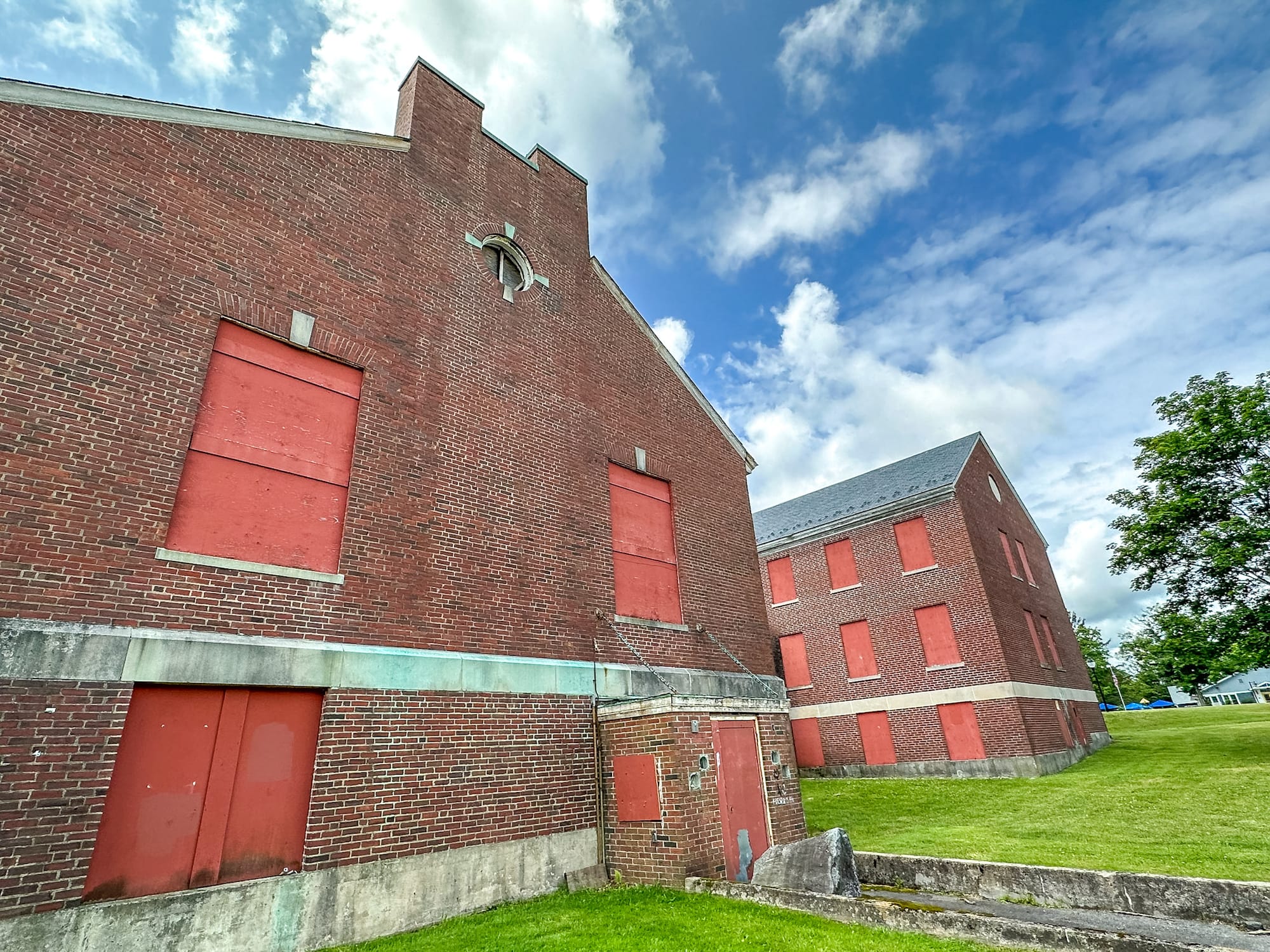
What remains today is a chilling collection of boarded-up brick buildings and decaying cottages — silent witnesses to one of Massachusetts’ darkest chapters in mental-health history.
Establishment and Early History
The Belchertown State School opened its doors in 1922 as the third state-run institution for individuals with intellectual disabilities, joining Fernald State School in Waltham and Wrentham State School. Its creation was driven by the urgent need to serve western Massachusetts, where hundreds of families had been waiting for care options.
The Commonwealth allocated $50,000 in 1915 to purchase 700 acres in Belchertown for the new campus. The architectural firm Kendall, Taylor & Company, led by Henry H. Kendall, designed the school using the “cottage plan” — a more decentralized layout that replaced the imposing Kirkbride asylum design of the 19th century.
On November 15, 1922, the school officially opened under Dr. George E. McPherson, with 65 boys transferred from the Fernald School. Within a year, the population had soared to 428 residents, and by 1925, it reached full capacity at 729 patients.
At its height, the campus featured over 30 buildings, including dormitories, workshops, farms, and administrative offices, sprawling across rolling farmland and wooded hills.
Promise Turns to Neglect
Early annual reports from the school’s trustees spoke optimistically of industrial work for boys and handcrafts for girls, suggesting a productive and educational environment. But by the mid-20th century, that optimism had given way to neglect, overcrowding, and abuse.
A 1945 Governor’s Council Report was the first formal warning sign, citing overcrowded dormitories, unsanitary conditions, and fire hazards. Despite these warnings, little was done.
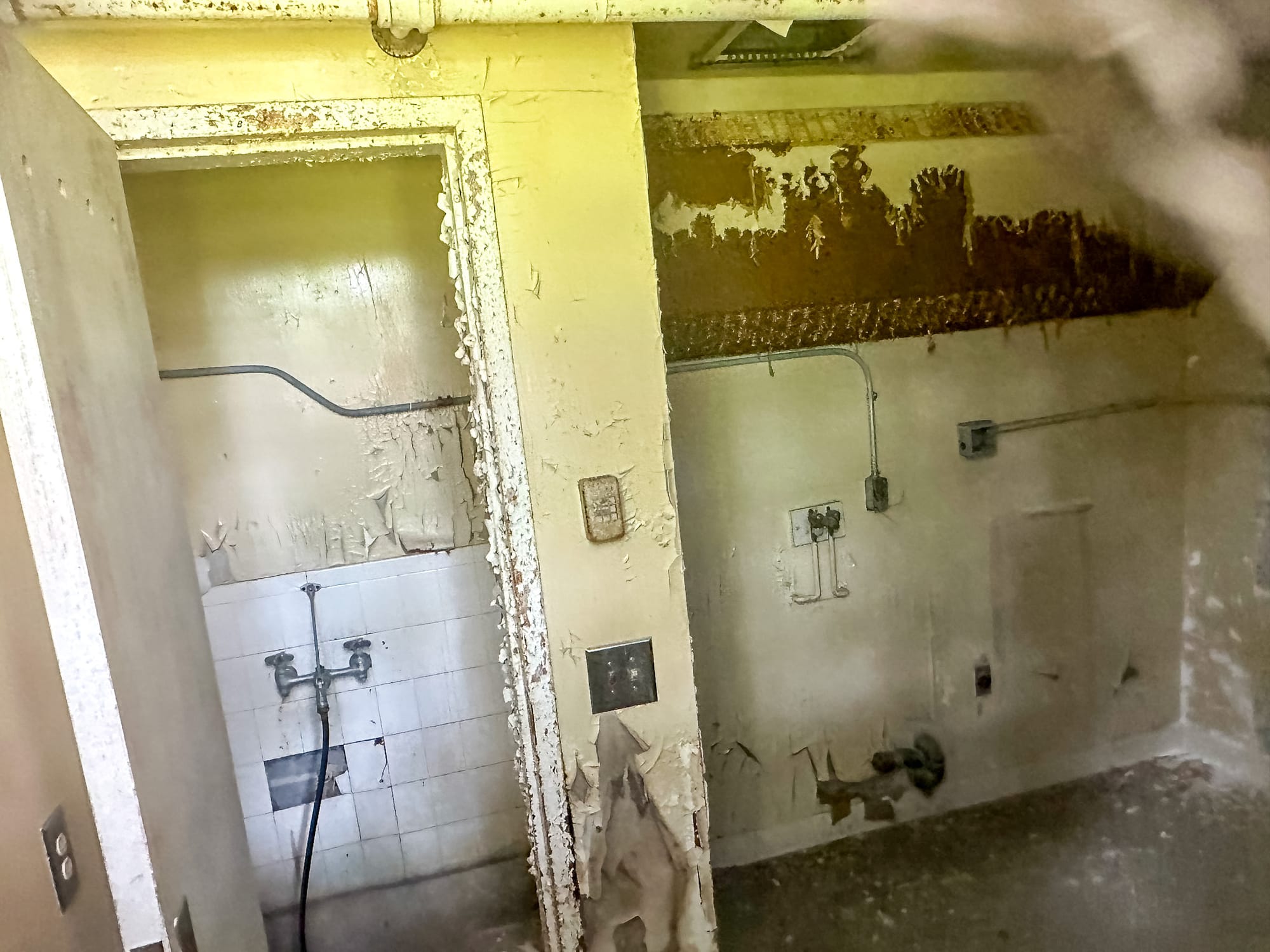
By the 1960s and 1970s, the institution had deteriorated into a nightmare. Inmates were left unattended, many unclothed, in foul-smelling wards. Beds were crammed together, and plumbing failures led residents to drink from toilets. Staff shortages, under-training, and apathy compounded the suffering.
Exposé and Legal Action
Public awareness of the horrors at Belchertown erupted in 1971, when journalist Jerry Shank of the Springfield Union published a groundbreaking exposé titled “The Tragedy of Belchertown.” His reporting exposed the inhumane treatment and sparked statewide outrage, leading to the resignation of Superintendent Dr. Lawrence Bowser.
The following year, Ben Ricci, whose son Simpson was a resident, filed a class-action lawsuit against the Commonwealth. The case — Ricci v. Greenblatt (1972) — became a landmark in disability rights.
When Judge Joseph L. Tauro visited the facility unannounced in 1973, he found what he later described as “unimaginable conditions — residents drinking from commodes, naked and covered in sores, with the constant screaming of the neglected.”
Judge Tauro ruled decisively in favor of the plaintiffs. His decision forced the state to modernize all institutions for the disabled, spend millions in repairs, and — most importantly — begin the process of community-based living programs that eventually closed many state schools across Massachusetts.
The Self-Advocacy Movement
The Belchertown tragedy helped inspire the self-advocacy and normalization movements that swept through the U.S. in the 1970s and 1980s.
In 1980, former residents and disability-rights activists organized one of the first self-advocacy marches in the nation, walking from the institution to the Belchertown Town Common to demand its closure. The march was a turning point, echoing the global “Towards Independence” movement championed by Swedish activist Dr. Bengt Nirje.
By the late 1980s, Belchertown’s population had dwindled dramatically as residents transitioned into group homes and assisted community settings.

Closure and Historic Recognition
In 1992, after 70 years of operation, the Belchertown State School officially closed. A 1992 state survey revealed that most former residents and families were overwhelmingly happier and better cared for in their new community environments.
Two years later, in 1994, the campus was listed on the National Register of Historic Places (Ref. #94000688) for its architectural significance and its crucial role in the evolution of disability rights in America.
Redevelopment and the Modern Campus
In the decades since its closure, the vast property has slowly transformed. In 2001, Belchertown designated the campus as an Economic Opportunity Area, offering tax incentives for redevelopment.
Today, the grounds host a mix of restored historic buildings and new community facilities, including:
- 🏢 Christopher Heights Assisted Living
- 🚔 Belchertown Police Department
- 🏫 Belchertown Parks & Recreation Department
- 🛹 Belchertown Municipal Skatepark
- ⚾️ Foley Field Sports Complex
- 👵 Belchertown Senior Center
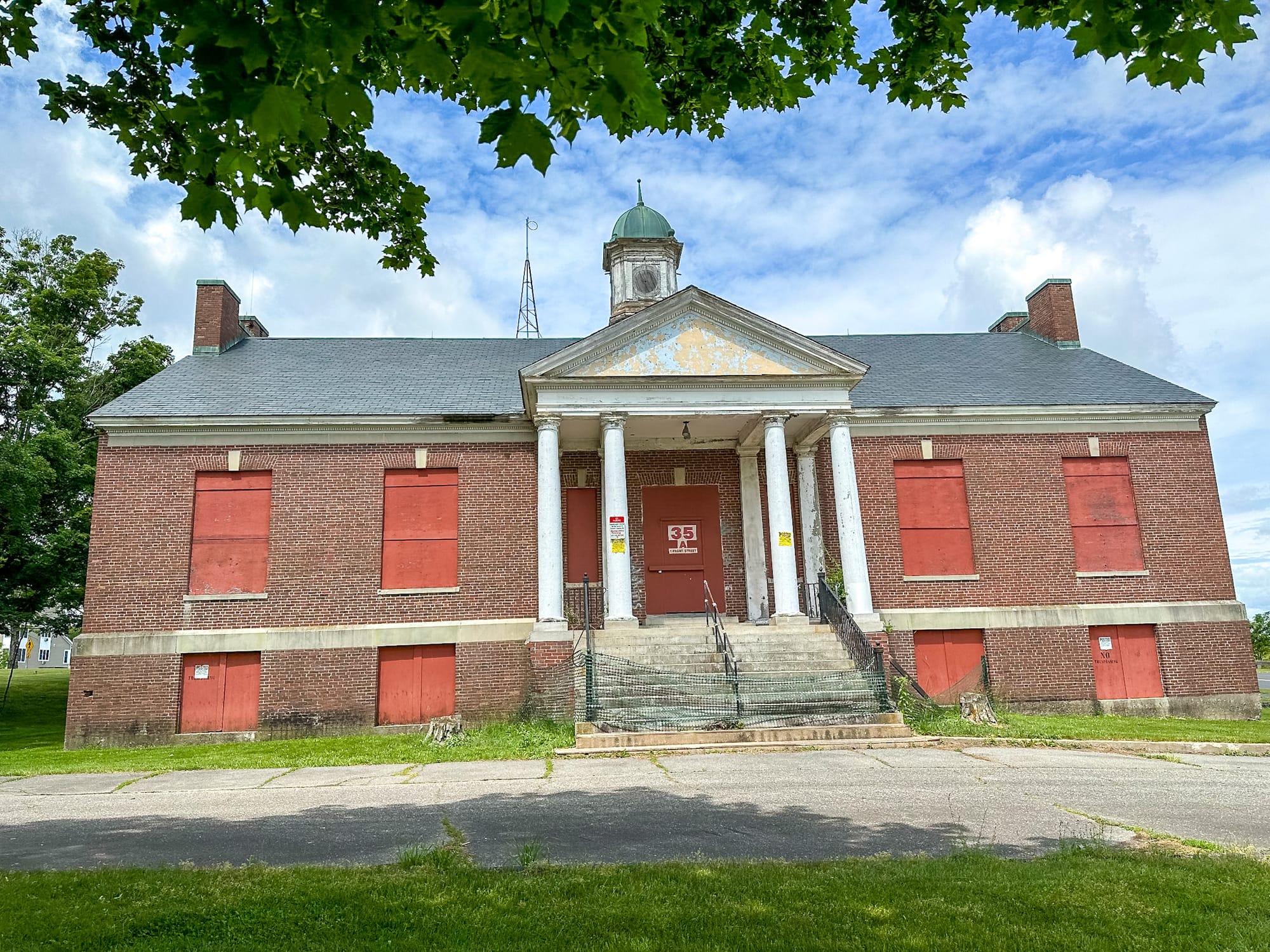
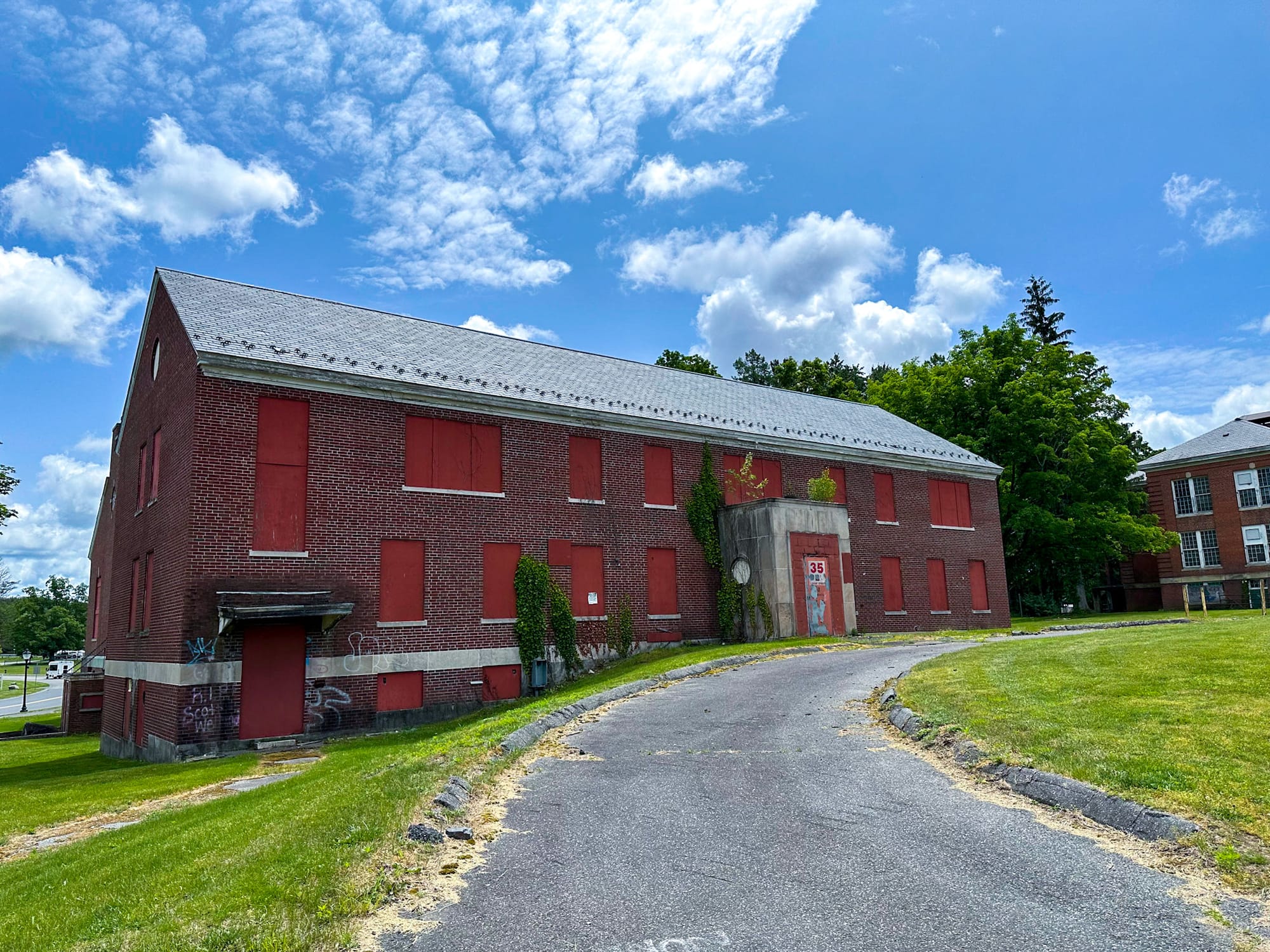
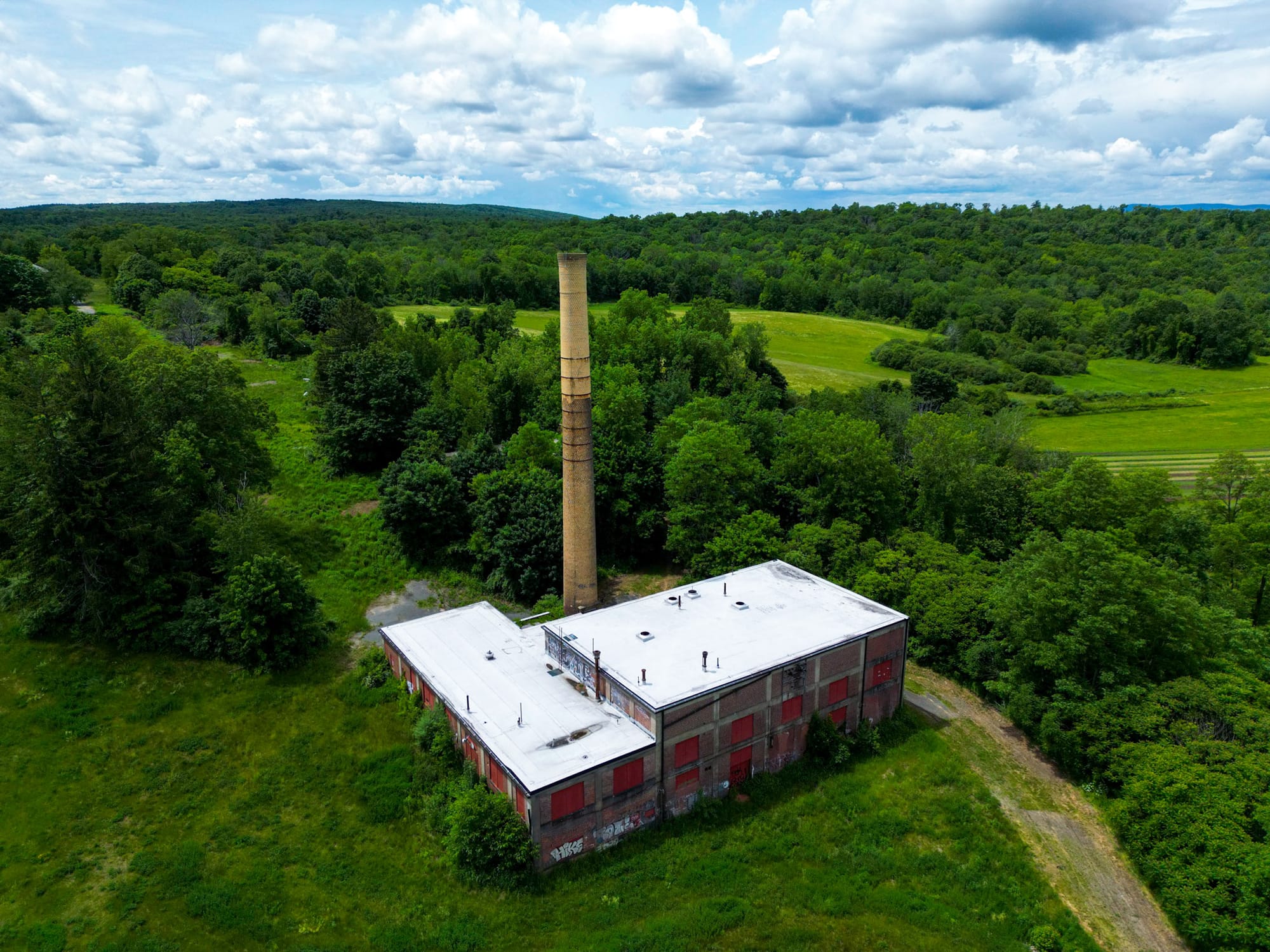
A few private businesses also occupy renovated dormitories, including small workshops and offices. Despite these changes, much of the northern half of the campus remains abandoned, its brick buildings shuttered and slowly reclaimed by vegetation.
Visiting the Site Today
The Belchertown State School remains off-limits to the public. The buildings are unstable, and trespassing is strictly enforced — police regularly patrol the grounds. Visitors interested in the site’s history can view the structures safely from Carriage Road or nearby public sidewalks.
For those wishing to explore nearby nature, the Lake Wallace Sensory Trail offers a peaceful and accessible walk that passes within view of some of the original buildings.
Visitor Information
- 📍 Address: Carriage Road, Belchertown, Massachusetts
- 🌐 GPS Coordinates: 42.277000, -72.414278
- 🅿️ Parking: Available at the Lake Wallace Sensory Trail lot. From there, visitors can walk along the road to see the historic campus.
- 🚫 Do Not Enter: All buildings are sealed and monitored by local police. Viewing only from public areas.

Quick Facts
- 🏗 Opened: 1922
- 🧠 Purpose: Institution for individuals with developmental disabilities
- 🚫 Closed: 1992
- ⚖️ Landmark Case: Ricci v. Greenblatt (1972–1973)
- 🏛 Added to NRHP: 1994 (Ref. #94000688)
- 🧱 Architect: Henry H. Kendall of Kendall, Taylor & Co.
- 🏞 Site Area: 700 acres
Final Thoughts
The Belchertown State School for the Feeble-Minded stands as a haunting monument to both the failures and progress of mental-health care in America. Once a place of profound suffering, its legacy ultimately helped ignite one of the most important disability-rights movements in modern history.
Though the buildings are silent now, their presence continues to remind us of the importance of dignity, oversight, and humanity in care. Belchertown’s story — painful though it is — paved the way for thousands of lives to be lived freely, compassionately, and within the community.