Eyrie House Ruins (Holyoke, MA)
Perched high atop Mount Nonotuck in Holyoke, Massachusetts, the Eyrie House Ruins stand as haunting sentinels of a bygone era.

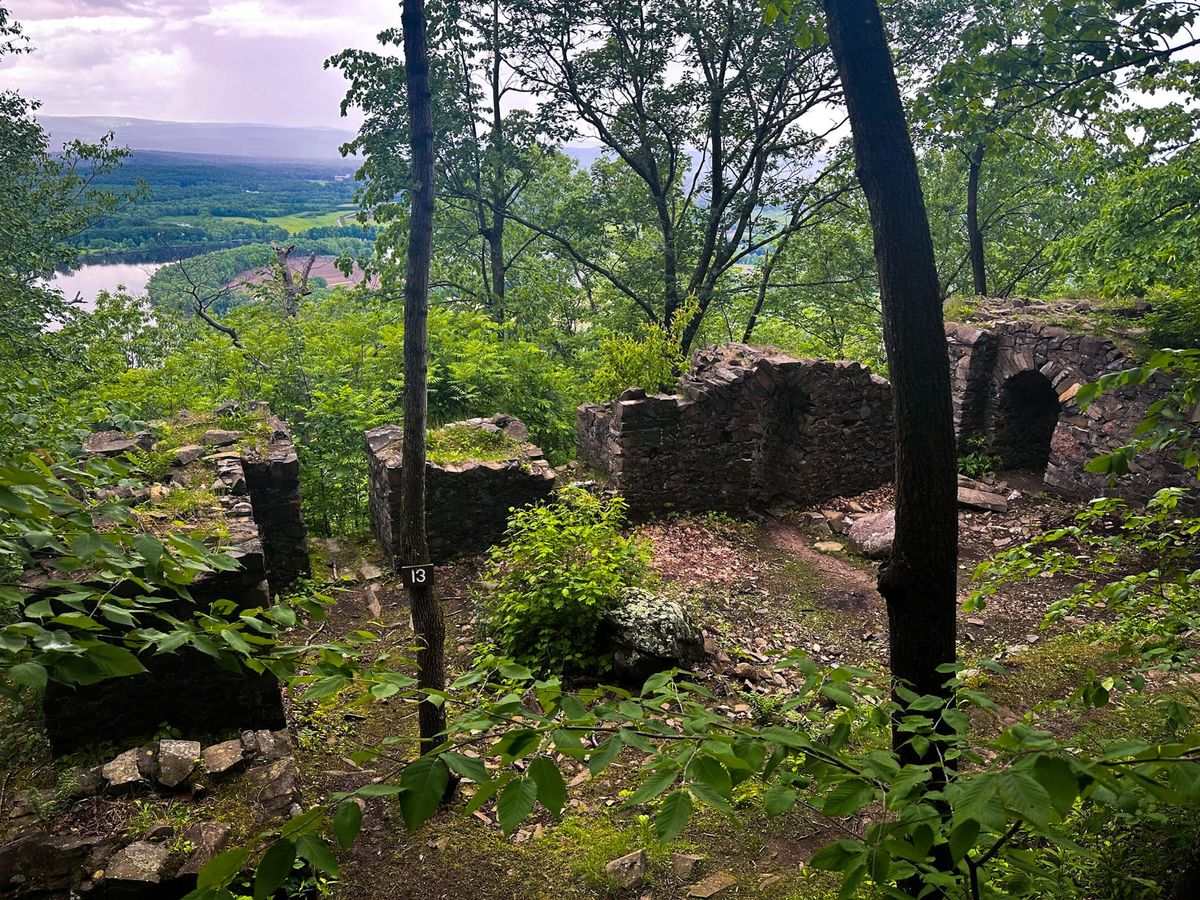
Perched high atop Mount Nonotuck in Holyoke, Massachusetts, the Eyrie House Ruins stand as haunting sentinels of a bygone era — remnants of one man’s dream to create a mountain paradise, and the devastating fire that reduced it all to ash. Once a thriving summit hotel that rivaled the great mountaintop resorts of New England, the Eyrie House today offers visitors a chance to walk among its crumbling stone foundations and imagine the grandeur that once crowned the mountaintop.
The Golden Age of Summit Houses
During the mid-to-late 1800s, the craze for summit houses swept across New England. Travelers from Boston, New York, and beyond sought refuge from the summer heat in mountain-top retreats, where fresh breezes and sweeping views promised both relaxation and wonder.
Mount Nonotuck, with its commanding views of the Connecticut River Valley, was a natural choice for such an escape. Across the river on Mount Holyoke, the grand Prospect House had already begun attracting guests — but one ambitious Holyoke entrepreneur saw opportunity on the opposite peak.
The Vision of William Street
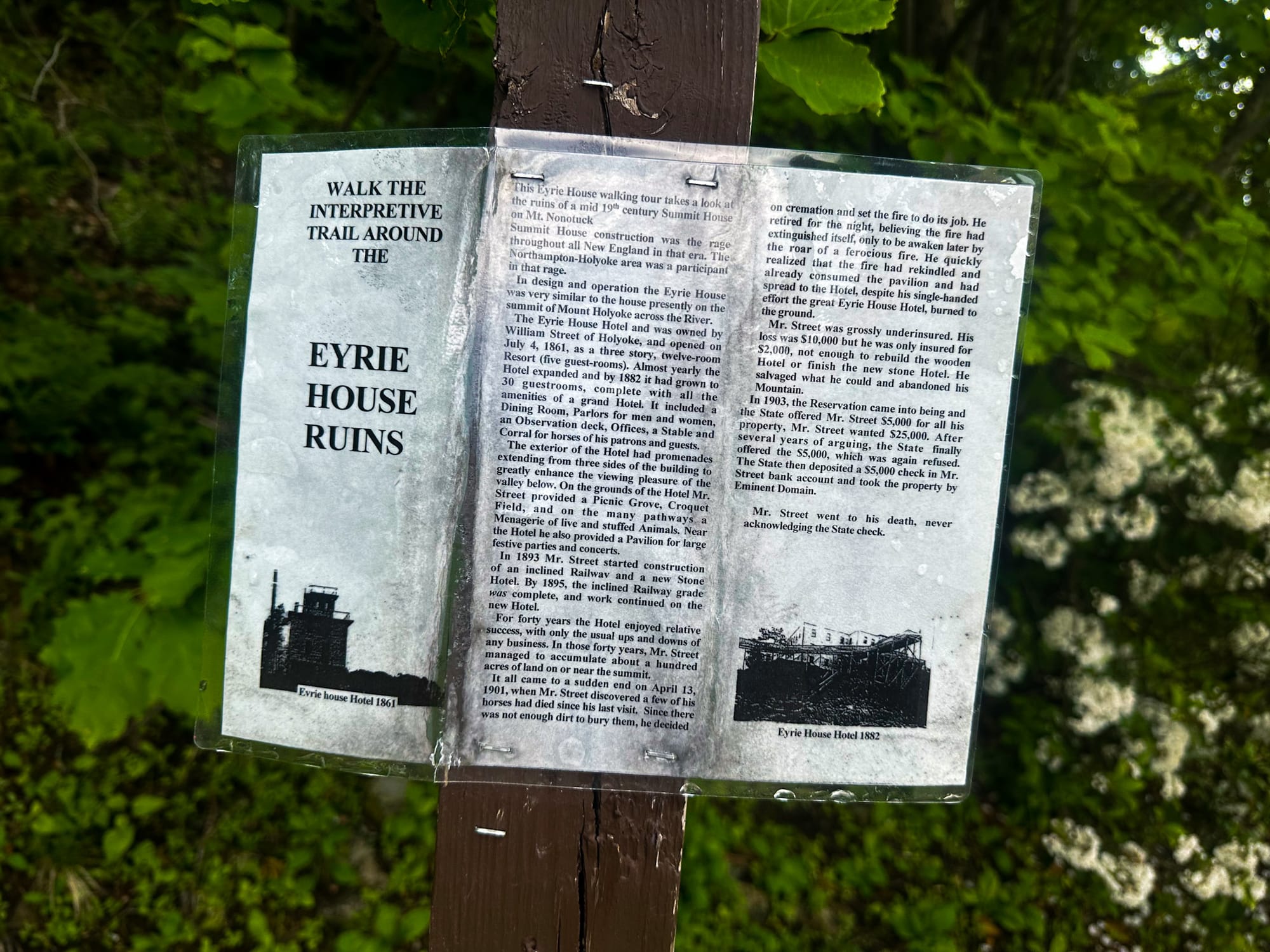
In 1861, William Street, a local businessman, built the original Eyrie House, a three-story wooden hotel with twelve rooms and five guest chambers. Its name — “Eyrie,” meaning eagle’s nest — perfectly captured its lofty perch and the sense of elevation that drew visitors up the mountain.
Competition with the nearby Prospect House soon intensified, pushing Street to expand his operation. Over the next two decades, the Eyrie House grew into a full-fledged resort, complete with:
- 🌲 Picnic groves and promenades — elevated wooden walkways overlooking the valley
- 🎶 A pavilion for concerts, dances, and roller skating
- 🏑 Croquet courts and lawns for recreation
- 🦌 A menagerie featuring live and taxidermy animals
- 🍽 Separate parlors and dining areas for men and women
By 1882, the Eyrie House had become one of the most popular mountain destinations in western Massachusetts, boasting 30 guest rooms and a reputation for both elegance and spectacle.
Ambition Meets Adversity
Ever the visionary, Street dreamed of replacing his aging wooden hotel with a larger stone structure — and even proposed building an inclined railway to carry guests up Mount Nonotuck.
But the tides of fortune were shifting. The region’s growing leisure industry brought steep competition: Mount Holyoke’s Prospect House remained a magnet for travelers, and nearby attractions such as Mountain Park and the Mount Tom Summit Pavilion drew crowds with newer, flashier amenities.
By the late 1890s, economic challenges and dwindling visitors began to strain Street’s finances. Still, he persevered — until tragedy struck.
The Fire of 1901
On a windy spring evening in 1901, disaster found the mountaintop. Several of Street’s horses had died, and with the ground too rocky for burial, he decided to cremate them near the hotel. After ensuring the fire appeared extinguished, he went to bed.
Sometime later, a sudden gust of wind reignited the smoldering embers. The flames quickly spread to the nearby pavilion and, within minutes, engulfed the Eyrie House itself.
By dawn, Street’s life’s work had been completely destroyed. The once-majestic hotel was reduced to charred rubble, and Street was left financially ruined. Of his estimated $10,000 in losses, insurance paid out only $2,000 — far too little to rebuild.
The dream of the Eyrie House ended in a single night.
A Battle for the Mountain
Following the fire, Street continued to live on Mount Nonotuck, tending the ruins and refusing to sell his beloved property. When the Mount Tom State Reservation was established in 1903, state officials offered him $5,000 for his land.
Street, still bitter from his loss, demanded $25,000 instead. The state ultimately exercised eminent domain, depositing the $5,000 into a bank account in his name — money Street never accepted. He lived out his days on the mountain, steadfast and stubborn, until his death in 1918.
What Remains Today
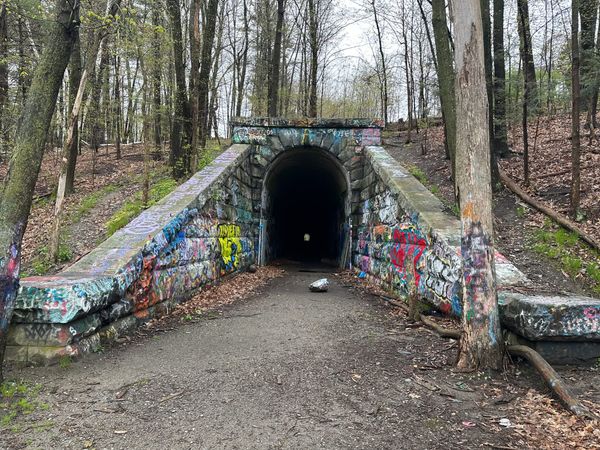
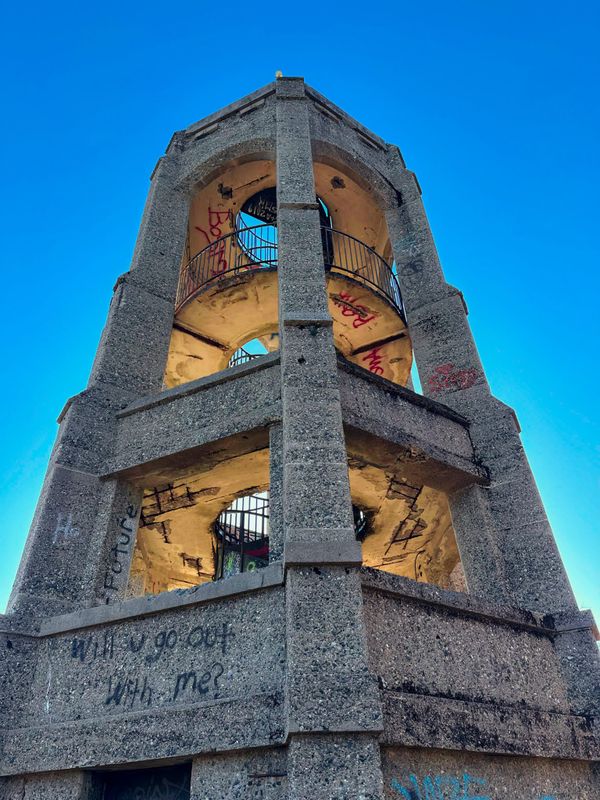
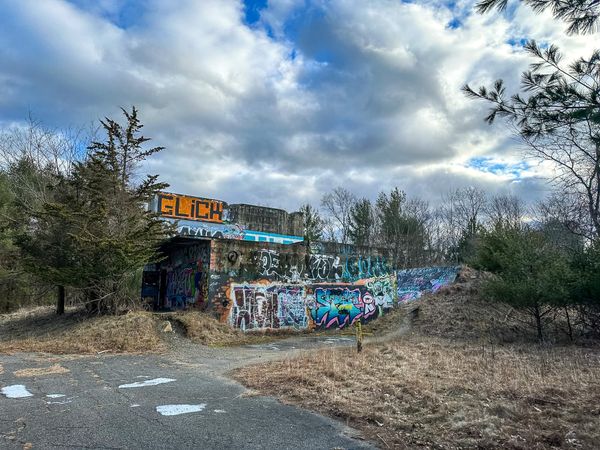
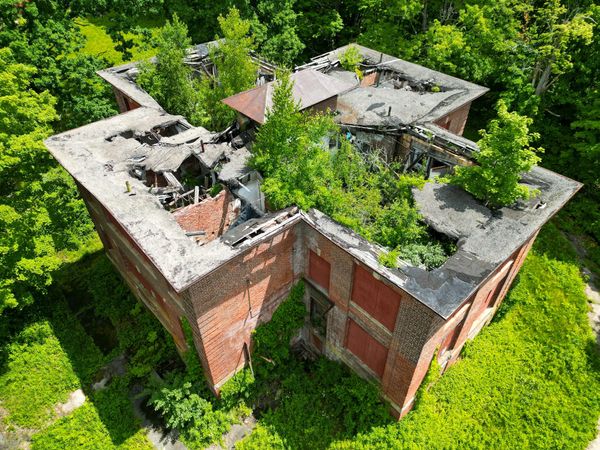
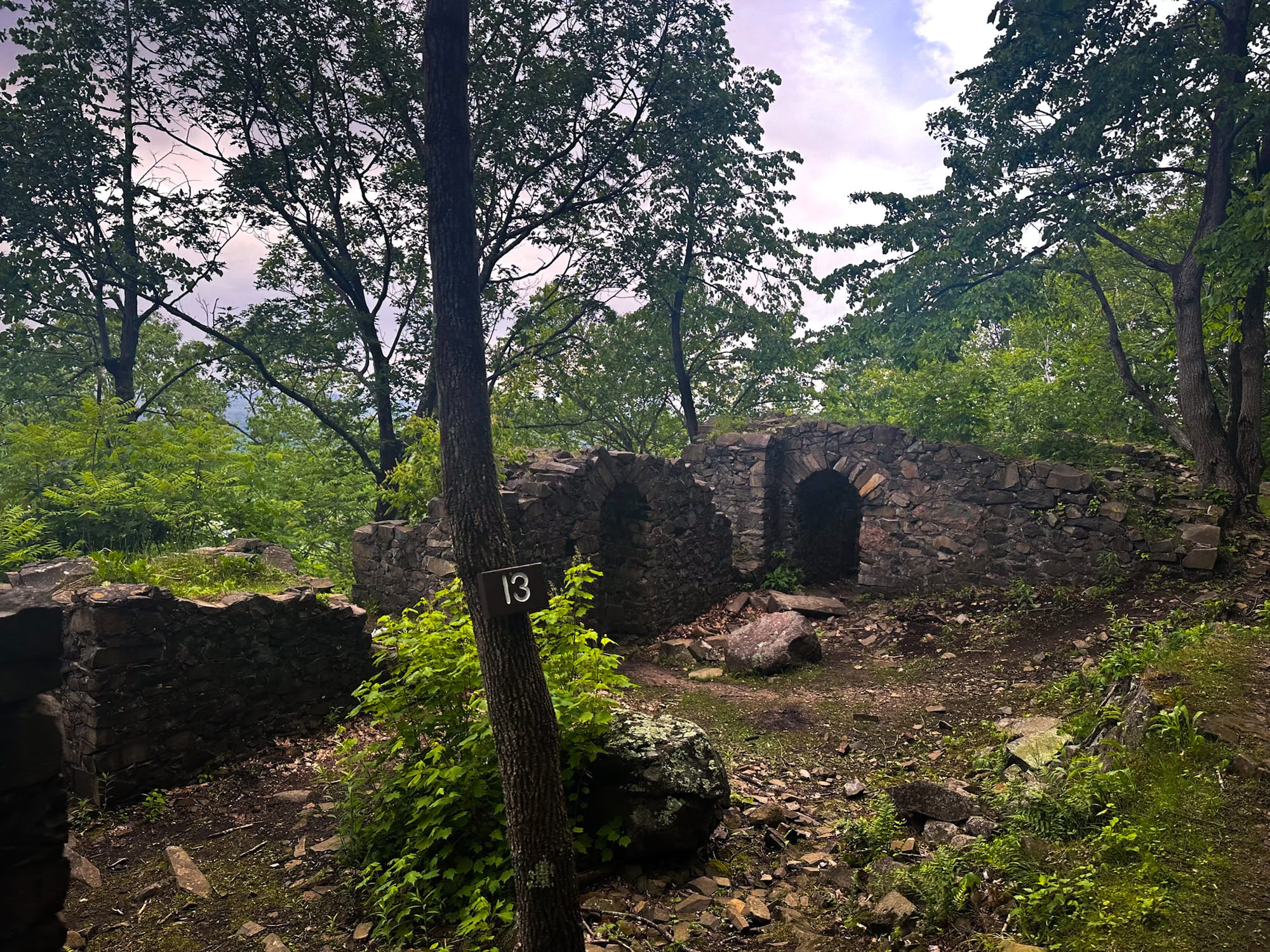
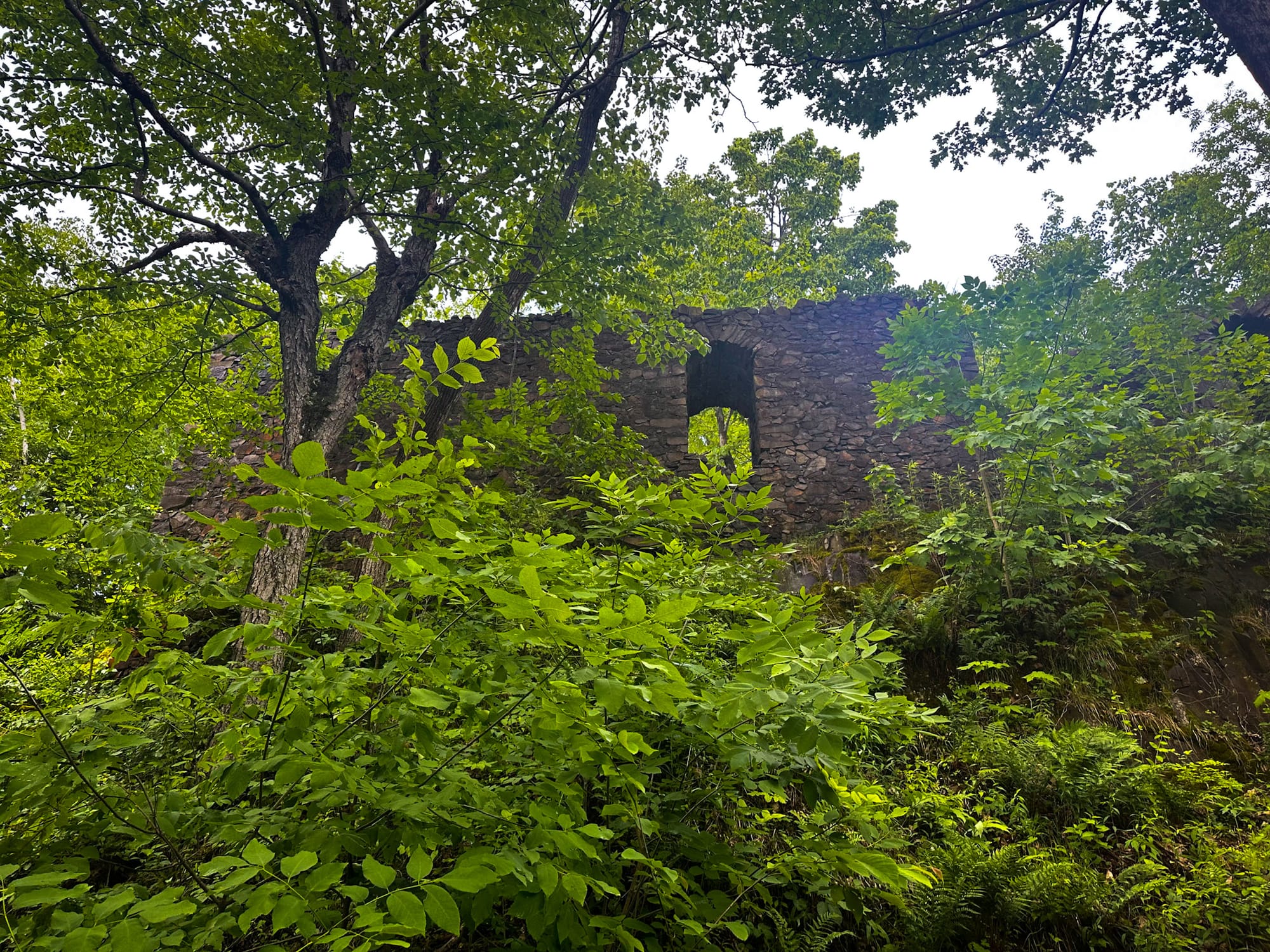
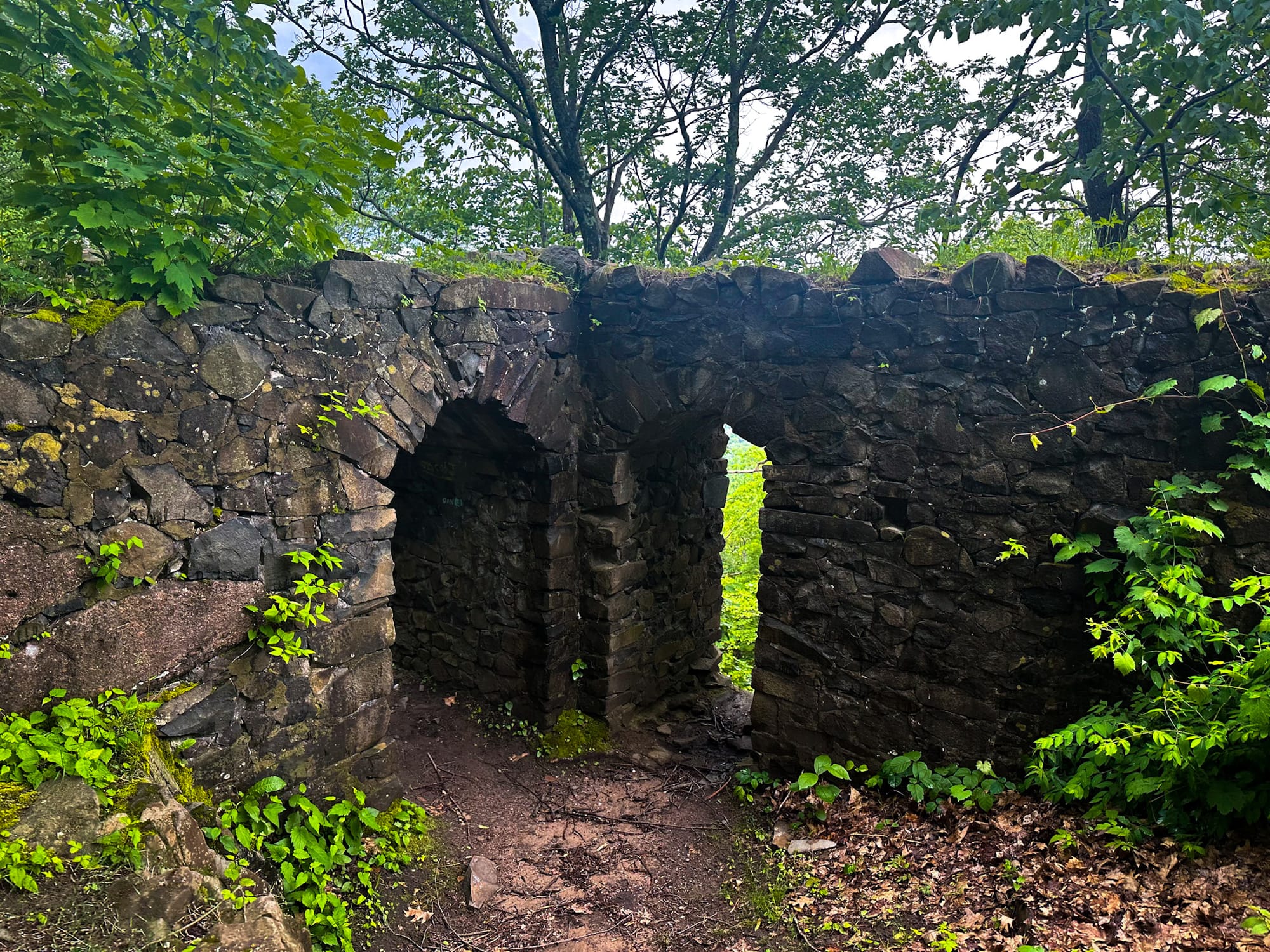
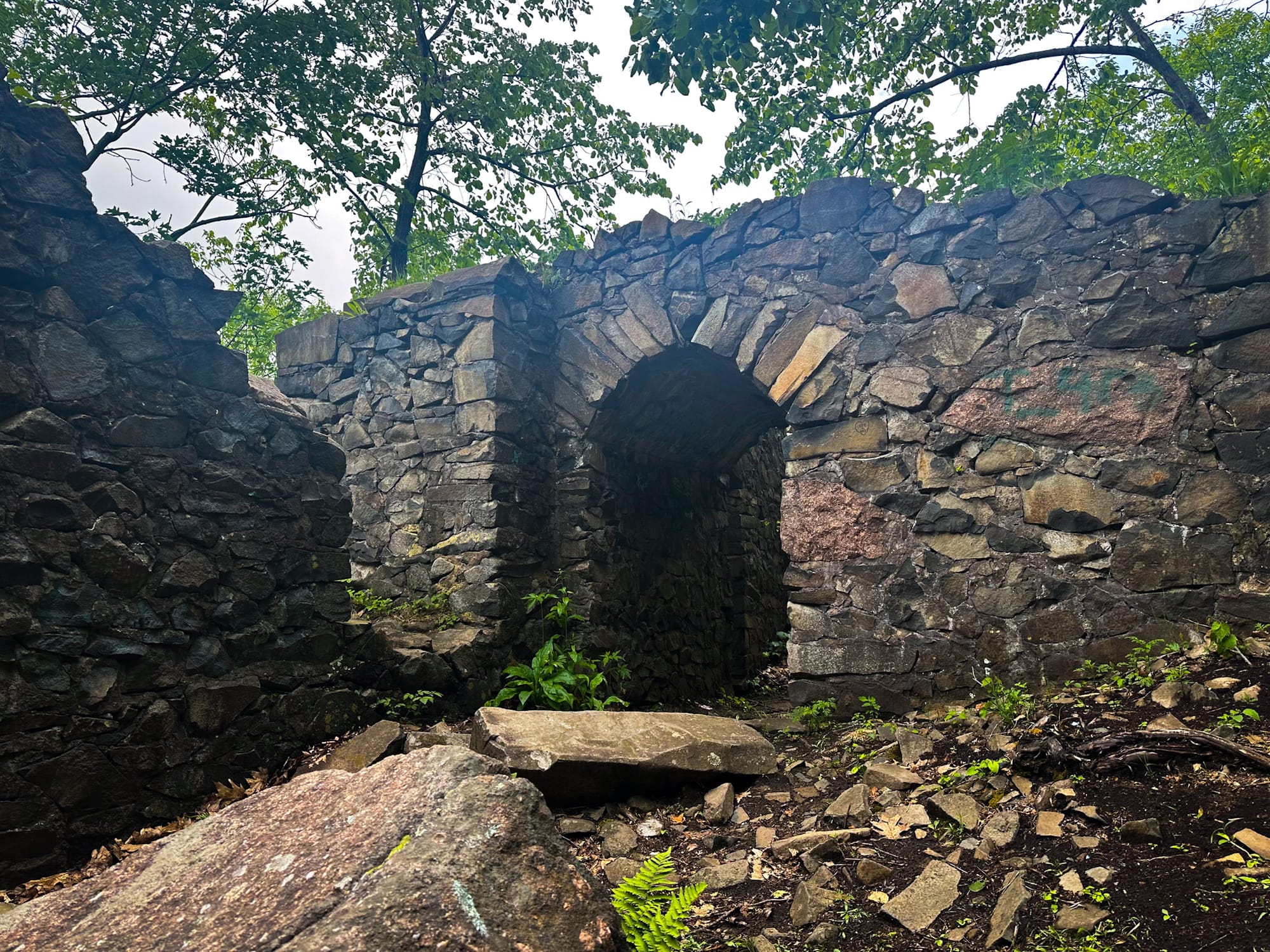
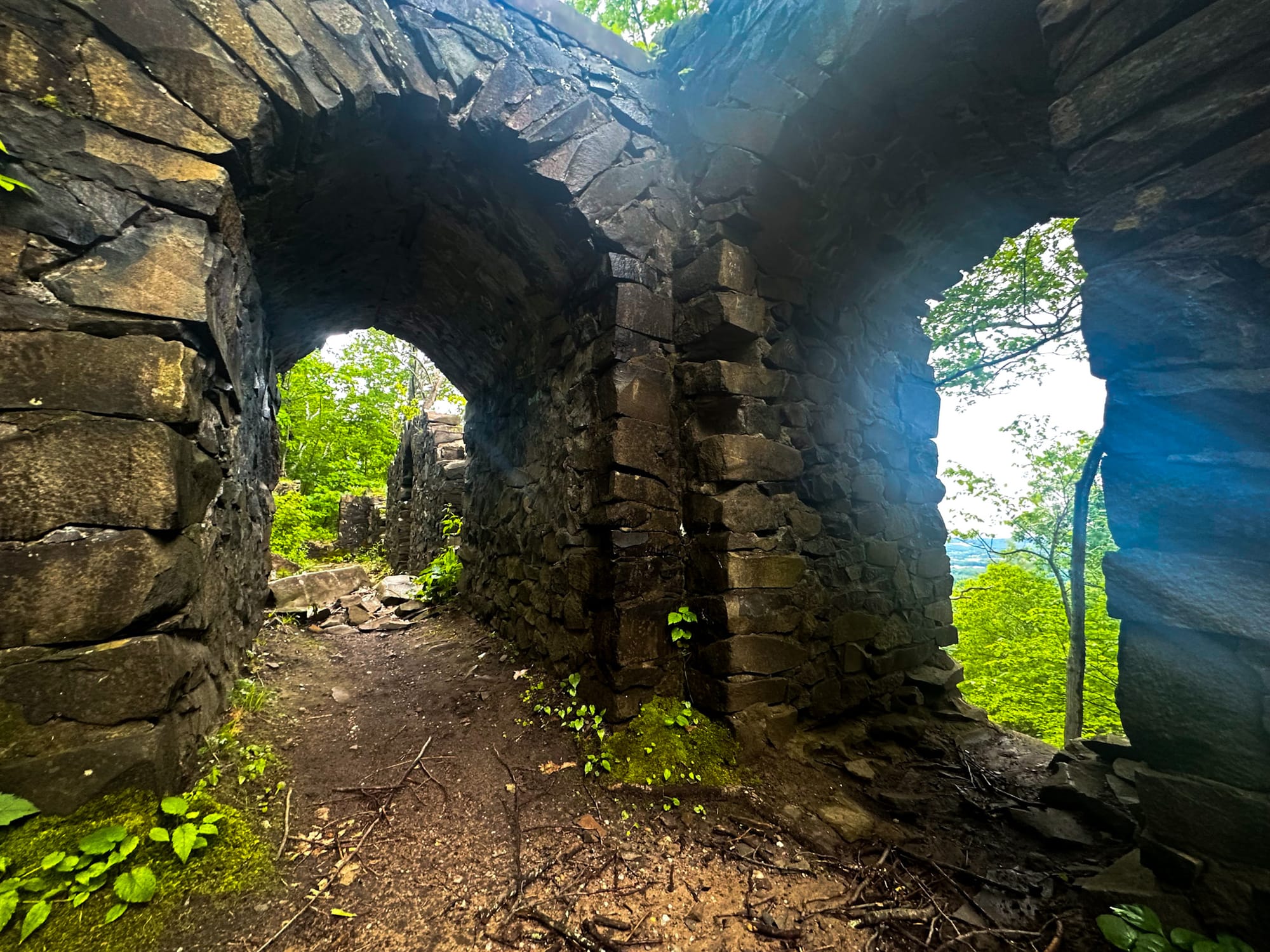
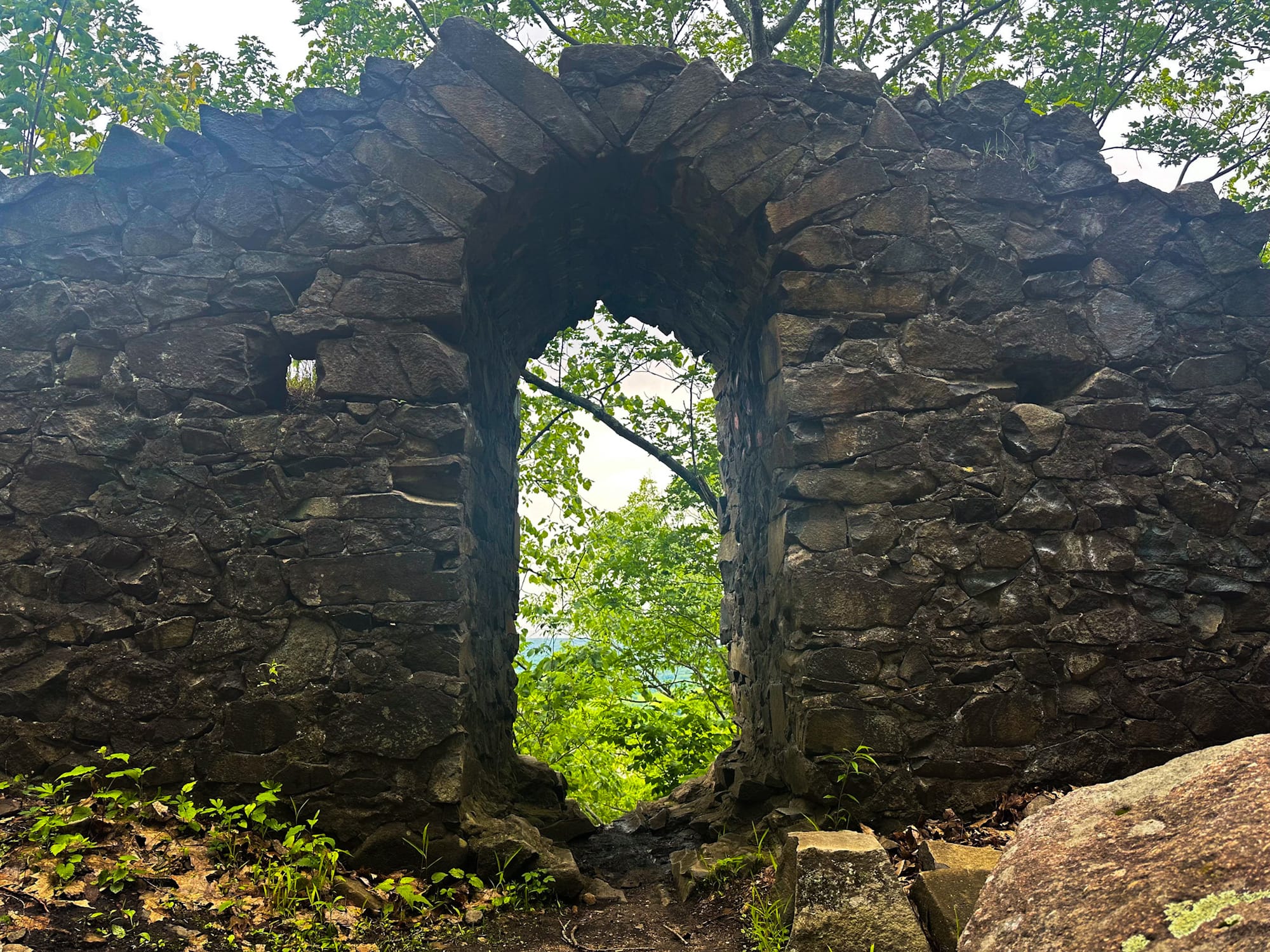
Today, the Eyrie House Ruins remain one of the most compelling historical sites in western Massachusetts. The stone foundations, collapsed chimneys, and scattered debris offer an evocative glimpse into 19th-century leisure culture — and the impermanence of even the grandest human ambitions.
Visitors hiking to the summit of Mount Nonotuck can wander through the ruins, imagining the laughter, music, and summer breezes that once filled this mountaintop resort. Interpretive signs along the trail describe the hotel’s history, while panoramic views of Mount Tom, Mount Holyoke, and the Connecticut River make it clear why this spot once drew travelers from across New England.
Trail Details
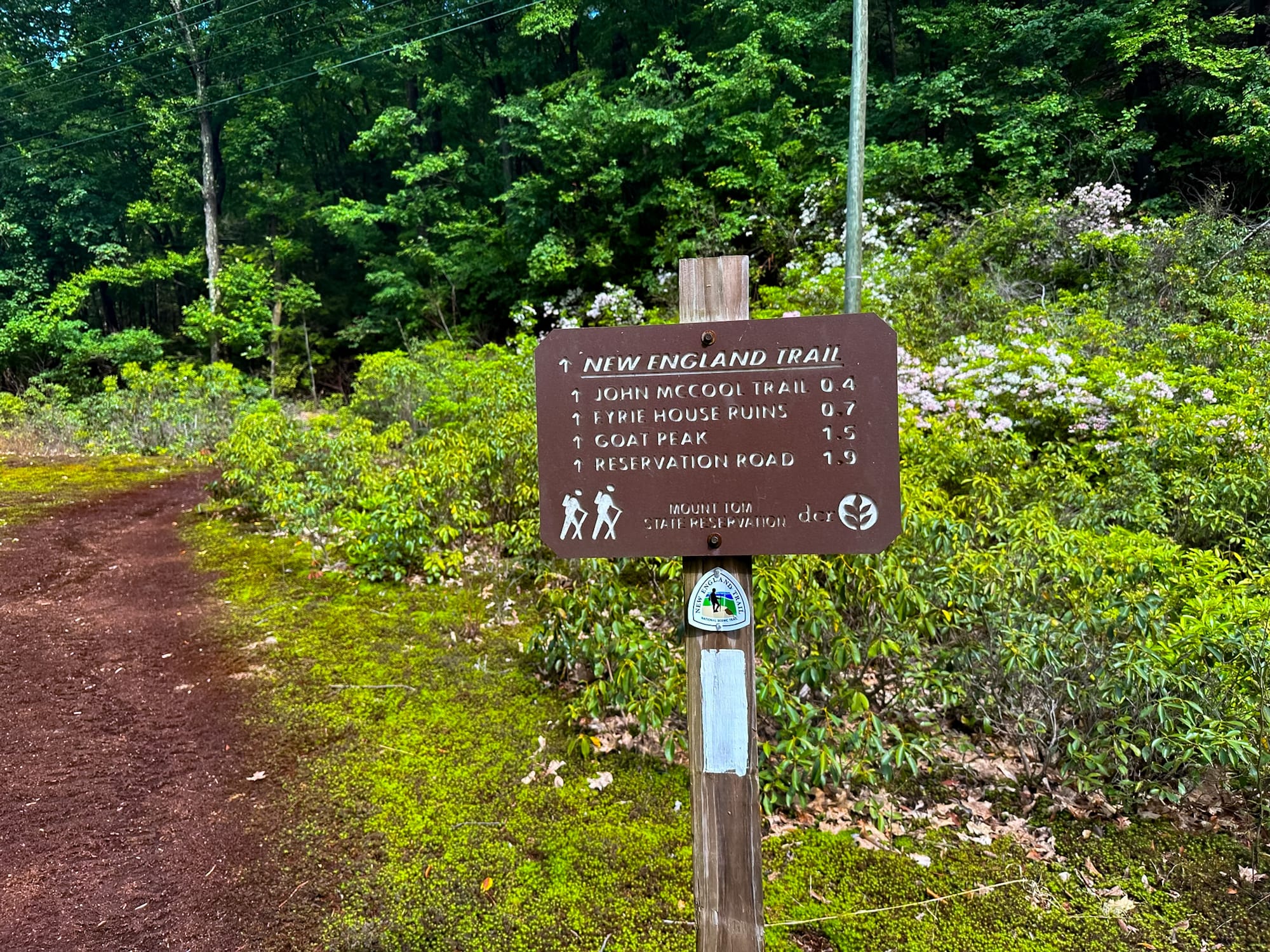
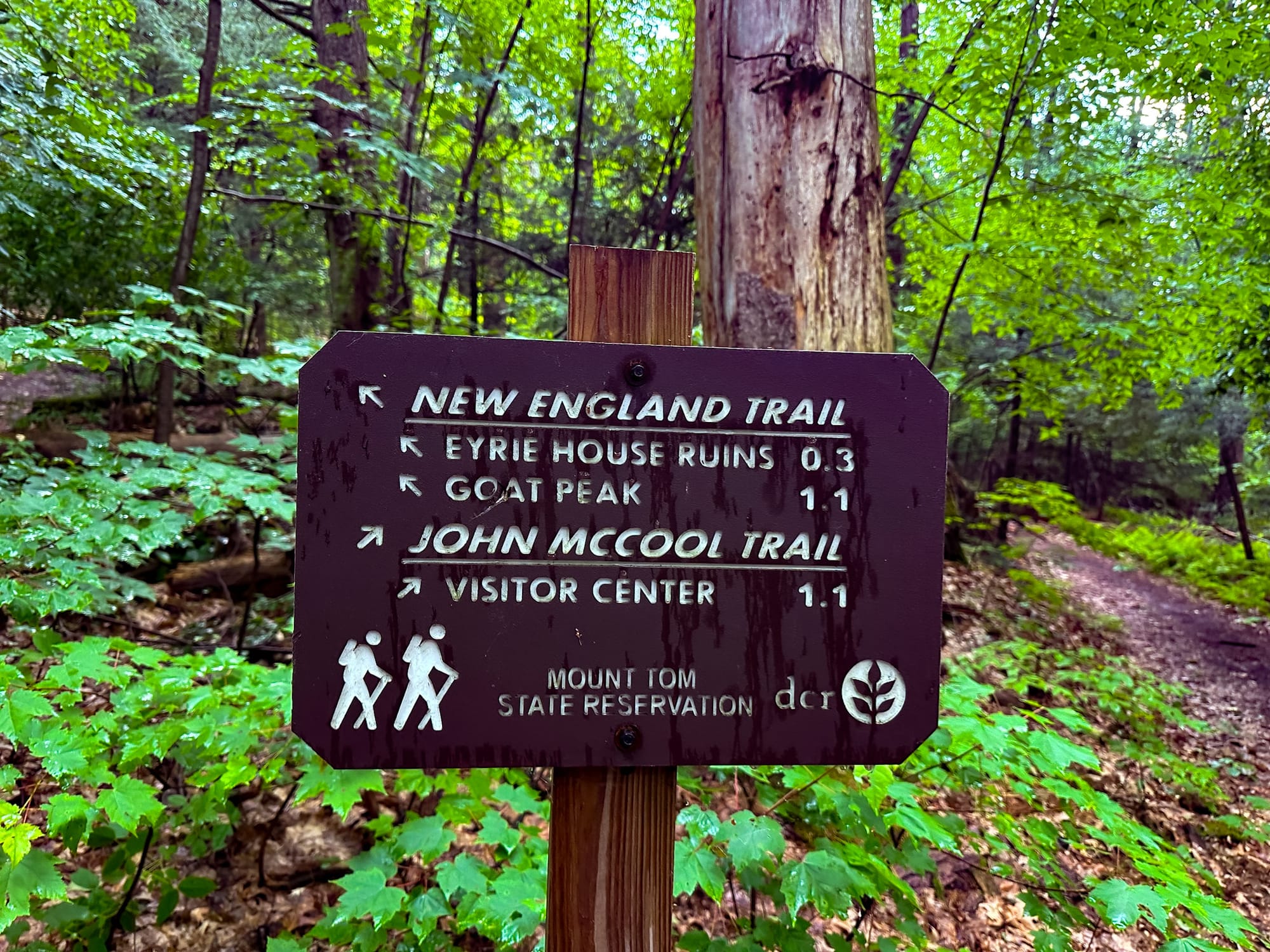
- 🥾 Trail Length: 1.12 miles (one way)
- ⛰ Elevation Gain: 614 feet
- ⚙️ Difficulty: Moderate
- 🔁 Route Type: Out-and-back
- 🐕 Dog Policy: Dogs are welcome but must be leashed
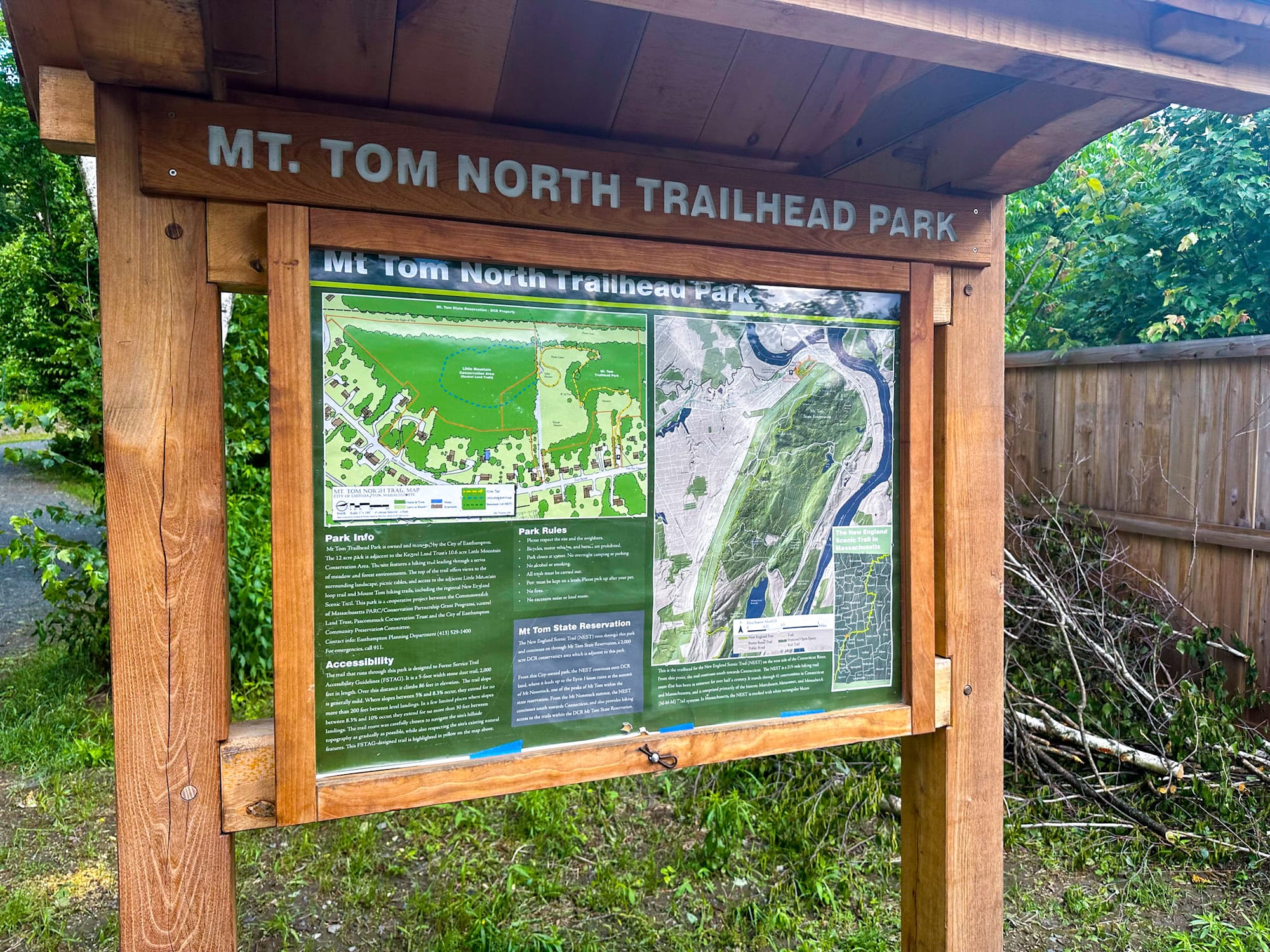
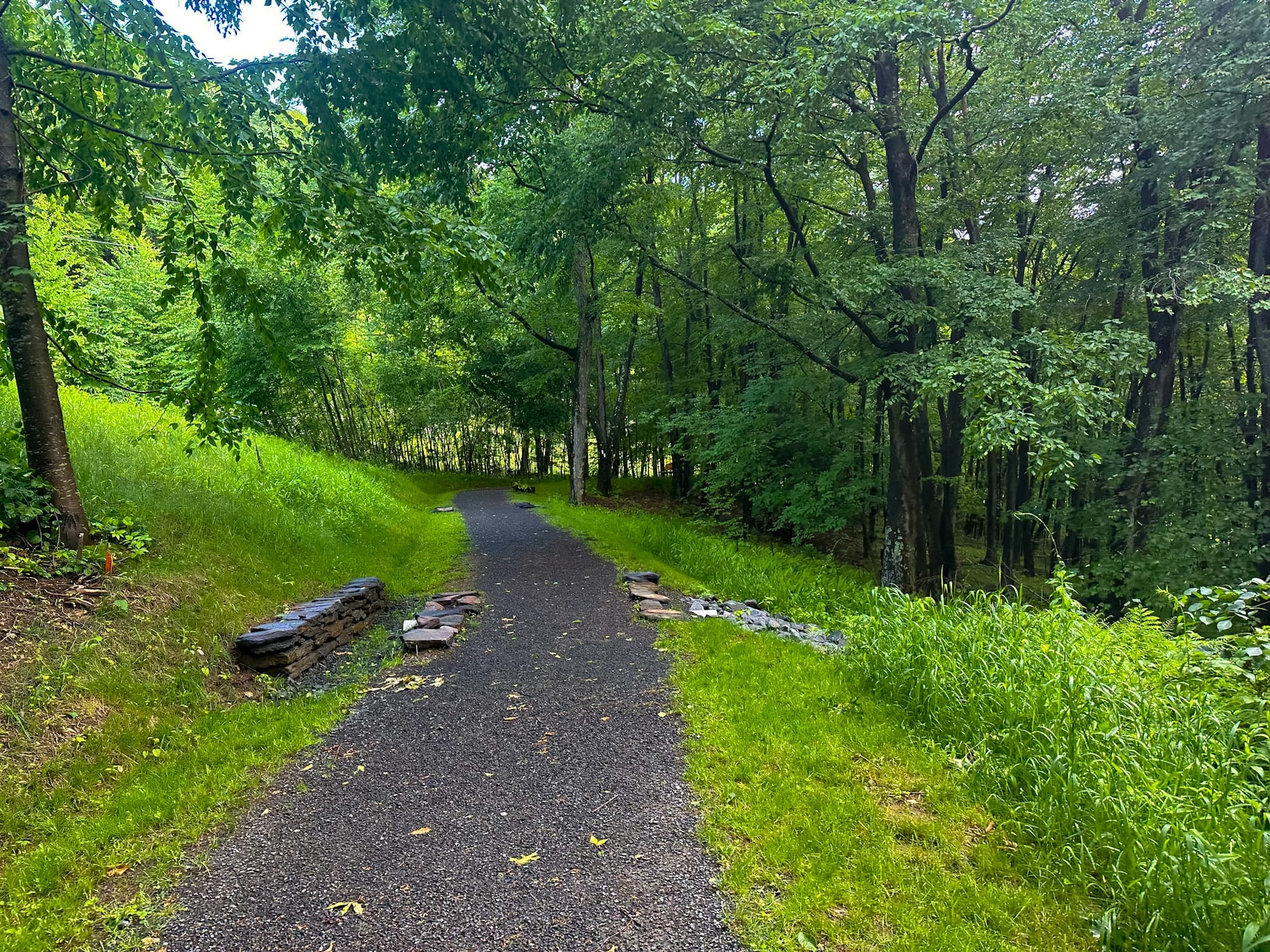
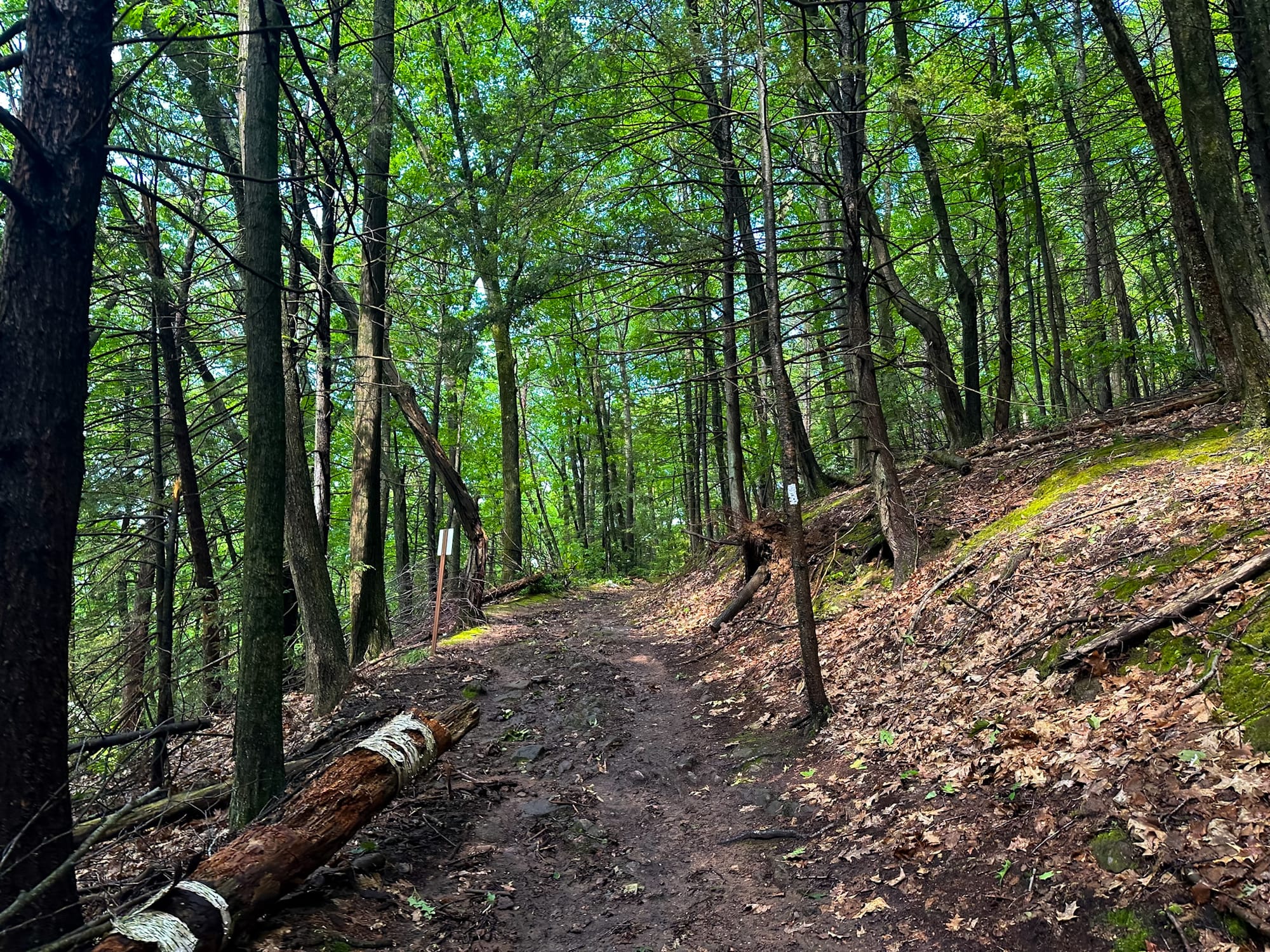
The Eyrie House Ruins Trail begins from the parking area off East Street in Easthampton, leading hikers gradually uphill through the forest before opening to sweeping views near the summit.
Quick Facts
- 🏗 Built: 1861
- 🔥 Destroyed by Fire: 1901
- 👤 Founder: William Street
- 🏨 Peak Size: 30 guestrooms, separate parlors, concert pavilion, and promenades
- 🧱 Current Status: Ruins preserved within Mount Tom State Reservation
- 📍 Location: Holyoke, Massachusetts
- 🌐 GPS: 42.280306, -72.620536
- 🅿️ Parking: Free lot off East Street, Easthampton (approx. 12 spaces)
Final Thoughts
The Eyrie House Ruins on Mount Nonotuck are more than the remnants of an old hotel — they’re a monument to ambition, competition, and resilience. William Street’s dream soared as high as his mountaintop perch, but in the end, nature reclaimed what man had built.
Today, the ruins offer both a quiet place for reflection and a link to New England’s golden age of mountaintop leisure. For those who love history, hiking, and the haunting beauty of forgotten places, the Eyrie House Ruins remain one of Massachusetts’ most unforgettable destinations.